Winter brings a change in pace across many harvests. While some crops slow, others move into critical stages that rely on consistent, reliable teams. Workforce gaps during the winter crop period can affect productivity, timelines and overall output. Cold conditions and shorter days also introduce new safety considerations that need to be managed carefully.
Planning ahead allows you to stay in control of your workforce rather than reacting to pressure as it arises. In this article, we explore how with the right preparation, your team can remain stable, productive and aligned to your operational goals.
What changes during winter crop demand
Workforce requirements during winter often become more specific. Roles may require a different mix of skills, and there is usually a greater need for consistency across longer periods. Conditions on site can also influence how work is carried out; teams may need more time to adjust to colder environments, while supervisors often place greater focus on safety, communication and routine.
In this context, success comes down to having people who are prepared for the realities of the role within the winter season.
Where workforce gaps tend to appear
Without early planning, winter can expose pressure points across your operation. Delays in filling roles can slow down key activities and create flow-on effects across the season. When onboarding is rushed, teams may lack clarity around expectations, which can impact both performance and safety. There is also a higher risk of turnover if candidates are not properly prepared for the conditions. Even small disruptions can add up, making it harder to maintain consistency on site.
Tips for planning ahead for a more reliable winter workforce
A structured approach to workforce planning can make a clear difference heading into winter. Forecasting is a strong starting point; looking back at previous seasons helps to identify when demand increases, what roles are required and where challenges occurred. Though,of course, this can vary greatly year to year. Understanding forecast weather is critical for maximising yield quality and quantity, ensuring machinery access to fields, and organising post-harvest logistics. This gives you a clearer picture of the team you need in place.
Securing candidates early is equally important. When you engage ahead of peak demand, you have access to a broader pool of people and more time to assess suitability. This increases the likelihood of developing a team that will stay and perform across the season.
How to set your team up from day one
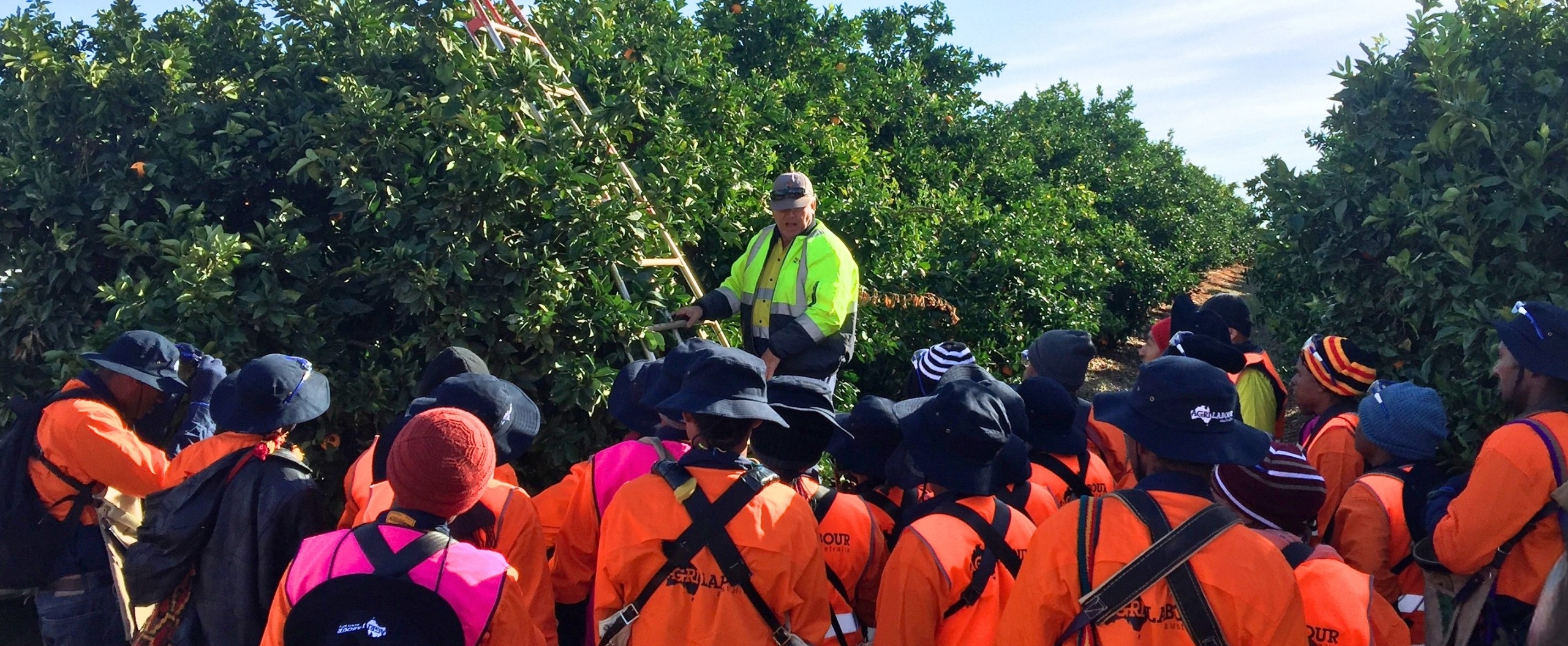
A clear induction process helps people understand their responsibilities, the environment they are working in and the standards expected of them. When this is supported by structured, on-site inductions and training, candidates gain confidence more quickly and are better prepared to contribute. This early investment nurtures trust within the team and reduces the risk of misunderstandings or errors later on.
Supporting your retention across the season
Maintaining open communication with your team helps address issues early and keeps people engaged in their work. Regular check-ins, clear expectations and a supportive environment all contribute to stronger retention. When candidates feel settled and supported, they are more likely to stay for the full season and contribute positively to the wider team.
How Agri Labour Australia supports winter workforce planning
At Agri Labour Australia, we understand the importance of preparing for seasonal demand.
We work closely with clients to plan ahead, source suitable candidates and ensure they are ready to perform from day one. Our approach focuses on reliability, compliance and ongoing support, helping to design teams that remain consistent throughout the season.