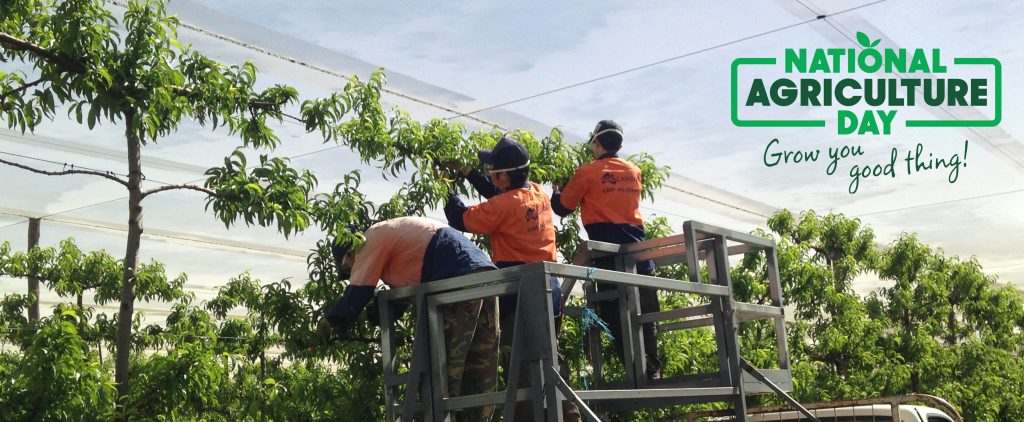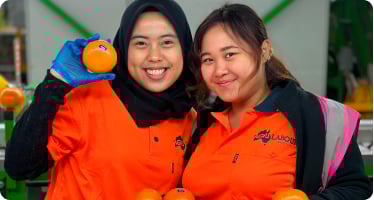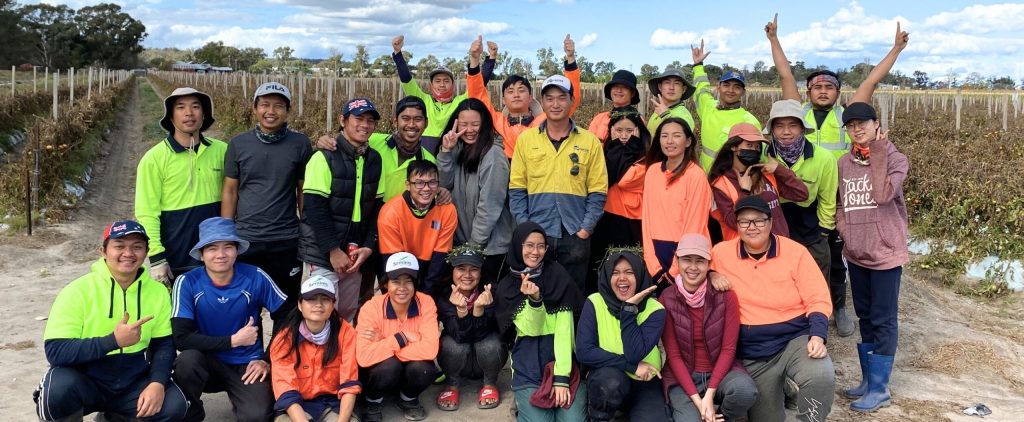
Today’s agricultural teams are increasingly diverse. They bring together people from different cultural backgrounds, age groups, experiences and skill sets. For agribusiness leaders facing workforce shortages and rising operational complexity, this diversity is not just a demographic shift, it is a strategic advantage.
Businesses that build inclusive, well-structured teams are often better positioned to improve productivity, strengthen safety outcomes and retain capable people across seasons.
A changing workforce landscape
Agriculture operates in a highly competitive workforce environment. Infrastructure, mining and renewable energy projects are expanding rapidly across regional Australia, drawing on many of the same skills that agribusiness relies on.
At the same time, generational change is reshaping the rural workforce. Younger people entering the sector bring different expectations around workplace culture, training and career progression. These shifts mean that businesses can no longer rely on a narrow recruitment pool. Accessing the full breadth of available talent is becoming essential.
Diverse teams, including international candidates, domestic jobseekers, experienced seasonal personnel and long-term industry professionals, help create a broader and more sustainable workforce base.
Stronger team culture and retention
When people feel respected, supported and included, they are more likely to remain in their roles and return for future seasons. Diverse teams often encourage stronger communication and collaboration, particularly when supported by clear leadership and well-defined processes.
For employers, this translates to greater workforce stability and lower turnover.
Accessing global talent streams
One of the most significant contributors to workforce diversity in Australian agriculture is access to international candidates through approved visa programs.
Programs such as the Pacific Australia Labour Mobility (PALM) Scheme allow agribusinesses to access reliable, committed teams while supporting economic development in participating nations. These programs have proven valuable for industries that rely on seasonal labour and consistent workforce availability.
When managed properly, international workforce participation supports:
- Workforce continuity across seasons
- Reduced recruitment pressure during peak demand
- Stronger retention through repeat placements
- Cultural exchange that enriches regional communities.
For many businesses, these programs have become an important component of long-term workforce planning.
Building a resilient workforce for the future
Australian agriculture is entering a period of significant change. Climate variability, global competition and technological advancement are reshaping how farms and agribusinesses operate. At the same time, workforce pressures remain one of the industry’s most pressing challenges.
Building resilient teams requires a long-term perspective. Diversity should not be seen as a compliance requirement or a social initiative, but as a practical workforce strategy. Businesses that create inclusive environments, invest in training and support a broad range of talent will be better positioned to adapt to industry change.
Supporting diverse teams across agriculture
At Agri Labour Australia, we see first-hand how diverse teams contribute to the success of agricultural operations across the country.
By combining rigorous candidate selection, structured onboarding and ongoing support, businesses can build workforces that are reliable, productive and capable of performing across demanding seasonal cycles. As the agricultural sector continues to grow and evolve, embracing workforce diversity will remain a key factor in building stronger, more sustainable operations.