With the almond harvest approaching, Agri Labour Australia is looking for candidates ready to step into skilled spraying roles. These positions offer longer-term opportunities, the potential for higher pay and greater independence.
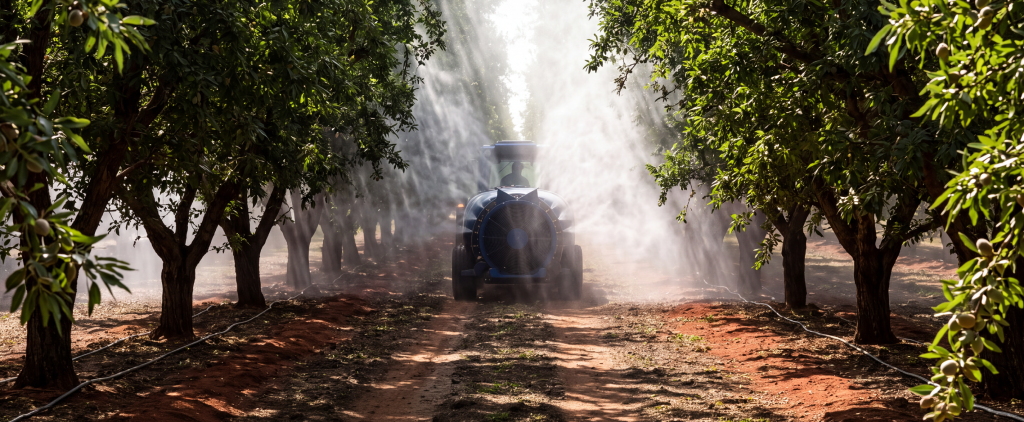
The work involves operating machinery and applying agricultural chemicals to help protect almond orchards and other crops.
To be eligible for Level 3 roles, you’ll need a recognised chemical handling certificate.
Here’s how to get certified and apply for current opportunities.
Your ticket to spraying: a chemical handling certificate
Spraying is skilled work. It requires care, accuracy and a strong commitment to safety.
A chemical handling certificate, commonly called a ChemCert, shows employers you have completed recognised training in:
- Reading product labels and safety information
- Following workplace procedures
- Managing chemicals across purchasing, storing, transporting, mixing and application
- Reducing risks to crops, people and the environment
- Responding to spills or other incidents.

This qualification is essential for many Level 3 spraying roles involving orchard spraying equipment.
Completing a recognised chemical handling certificate can help you qualify for spraying roles and develop skills that support ongoing opportunities in Australian agriculture.
It may also help you access future opportunities with Agri Labour Australia as seasons and workforce needs change.
Please note that holding a certificate does not guarantee employment. Available roles will depend on factors such as location, timing, employer requirements and your experience.
Other skills employers look for in orchard spraying jobs
A chemical handling certificate can strengthen your application, but employers will also consider your broader skills and experience.
Depending on the role, employers may also look for:
- A current driver licence, or at least a learner’s permit
- Experience operating tractors, ATVs and other farm machinery
- Clear communication skills
- The ability to follow instructions and use a two-way radio
- Attention to detail, reliability and a strong work ethic
- The physical capability to work outdoors in agricultural environments
- Availability during busy seasonal periods
Some roles may also require practical spraying experience, additional licences or permits, or workplace-specific training.
Always check the requirements listed in the job advertisement before applying.
What a spraying role involves
Spraying plays an important role in protecting crops and supporting healthy production.
A typical day may include:
- Precision spraying: Operating orchard spraying equipment to safely and efficiently control weeds and protect crops.
- Record keeping: Maintaining accurate records of spraying activities and chemical use to meet safety and compliance requirements.
- Equipment maintenance: Completing pre-start checks on tractors, ATVs and spraying equipment, reporting any mechanical issues and keeping equipment clean and well maintained.
- General orchard tasks: Assisting with other important orchard activities, such as irrigation, pruning and general maintenance, when spraying isn’t required.
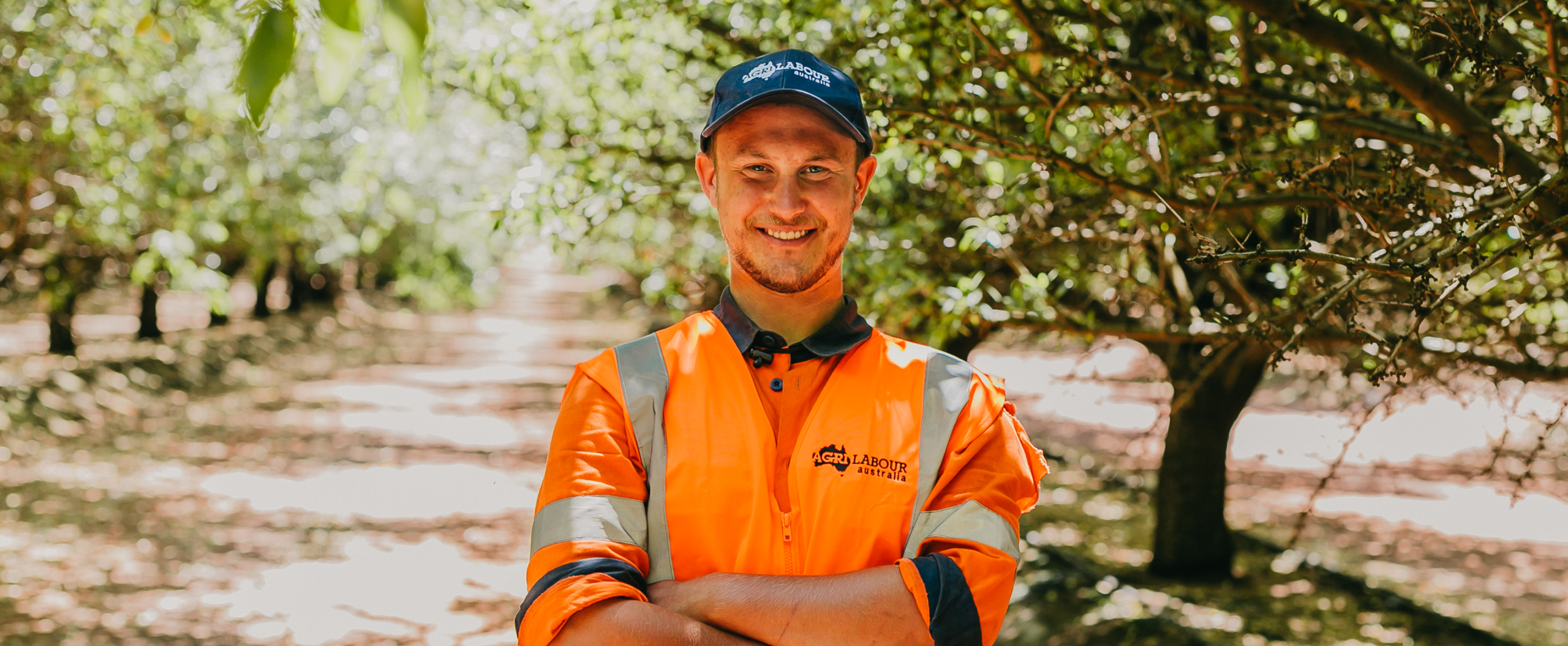
- Working safely: Following all Work Health and Safety (WHS) procedures and wearing the required Personal Protective Equipment (PPE), including steel-capped boots and high-visibility clothing.
Spraying is hands-on, detail-oriented work. You may spend long periods operating machinery and working outdoors in a range of weather conditions. The role requires concentration, safe work practices and a commitment to following instructions at all times.

Getting a chemical handling certificate
Many recognised chemical handling courses are available online, allowing you to complete the training at your own pace. Face-to-face training options are also available through approved providers.
Course requirements, costs and certificate renewal periods can vary, so always check the course details before enrolling.
Factors to consider before enrolment
Before choosing a course, check that it suits the roles and location you’re interested in.
Is the provider recognised?
Check that the provider is authorised to deliver nationally recognised training. You can check its Registered Training Organisation status through the Australian Government’s National Training Register.
Is it suitable for your state or territory?
Training and licensing requirements can vary across Australia. Depending on where you plan to work, you may also need additional licences, permits or authorisations.
How is the course delivered?
Many courses are available online, face to face or through a combination of both. Choose a training format that suits your learning style, English ability and access to the internet.
How long does it take?
Course timeframes vary by provider. Some candidates may complete the training within a few days, while others may take several weeks. Check the course duration, assessment requirements and any practical components before enrolling.
How much does it cost?
Course fees vary depending on the training provider and delivery method. As a guide, many recognised chemical handling courses cost between $380 and $460. Check the provider’s website for current fees before enrolling.
Are there any entry or licence requirements?
Some courses may require a particular level of English, literacy, numeracy or computer access. Certain roles may also require a current driver licence, experience operating agricultural machinery or additional licences or permits.
Will it help you get the role you want?
Before enrolling, check current job advertisements to see whether a chemical handling certificate is required and what other skills, licences or experience employers are looking for.
Ready to explore spraying opportunities in Australia?
With the almond harvest approaching, now could be a good time to complete your chemical handling training and prepare for upcoming seasonal opportunities.
Once you’ve gained your certification, explore Agri Labour Australia’s current orchard spraying opportunities to see what’s available and apply for roles that match your skills and experience.