Workforce decisions show up quickly on site. The right partner helps keep teams stable, productive and compliant when demand peaks. The wrong fit can lead to gaps in coverage, increased pressure on supervisors and avoidable disruption during critical windows.
When you’re choosing a workforce partner, look for one who deeply understands how your operation runs, where the pressure points sit and what kind of support is needed across the season.
With that in mind, here are seven factors to assess before you commit.
1. A thorough understanding of your operation
Before you select a workforce partner, take the time to clearly define what your operation requires. Workforce needs vary significantly depending on the commodity, location, scale, site conditions and how your seasonal peaks run. Some sites need a rapid influx of people for a defined harvest window. Others need consistent, experienced teams that can perform over an extended period.
A workforce partner worth considering will take the time to thoroughly understand these details before recommending a solution. They’ll ask about your key roles, peak periods, accommodation requirements, safety protocols, previous workforce challenges and what has or hasn’t worked in past seasons.
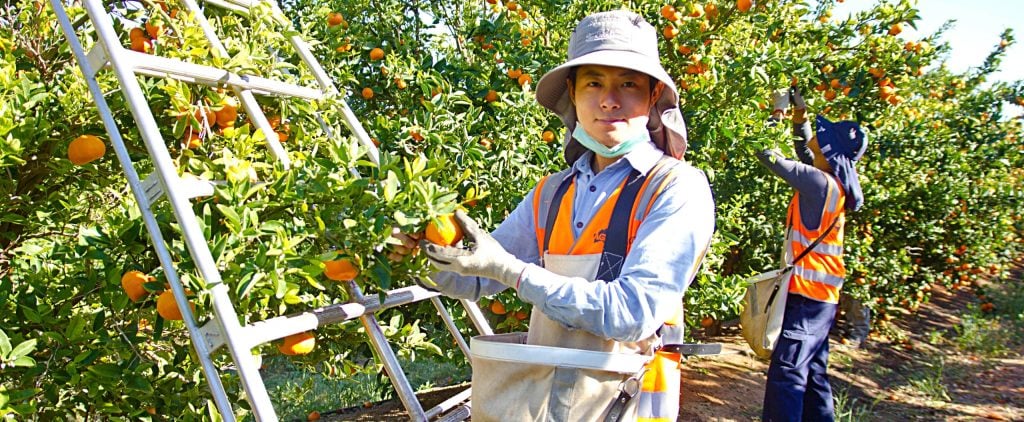
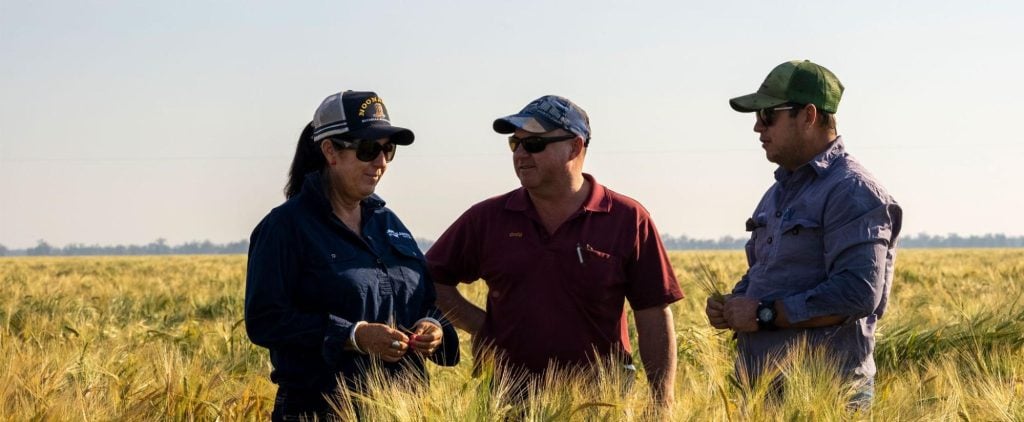
For example, the candidate profile required for a citrus harvest can look very different to one for a grain operation, spray program, or long-term PALM Scheme placement. So, a partner who understands those differences in the minutiae is far better placed to create a workforce solution tailored to your site, rather than applying a generic model.
Tip: Before you meet with any provider, put together a simple brief covering your key roles, seasonal windows, site locations, workforce model and where your workforce fell short in the past year. It keeps conversations focused, makes comparing providers easier and helps ensure nothing important gets missed.
Question to ask: How have you supported operations similar to ours in terms of commodity, scale, location and seasonal structure?
2. A clear focus on compliance and safety
Workforce arrangements come with strict regulatory requirements. Workplace relations, visa requirements, accommodation standards, and on-site safety practices all carry legal and operational weight. Where PALM Scheme candidates are involved, there are also program-specific requirements to manage.
A reliable partner will have structured processes across each of these areas and will work with you to support safe, compliant operations. They’ll be able to clearly explain how they manage compliance, how they keep records, how they communicate responsibilities and what happens if an issue arises.
Done well, compliance protects your business, your reputation and the people working on your site, while also reducing the risk of disruption when you can least afford it.
Question to ask: What compliance processes do you manage directly, and what will our team need to be responsible for on site?
3. A proven ability to deliver reliable candidates
A partner’s ability to access candidates quickly is only part of the picture. What affects your operation day-to-day is whether the candidates sent to your site arrive ready to work, settle in quickly and maintain a consistent standard once the season is underway.
This comes back to how candidates are screened, how clearly the role is explained and how well your partner understands your site’s demands. A poor match often shows up in uneven performance, supervisors losing time to avoidable issues, and higher turnover.
That turnover can be costly, particularly if it happens early. If candidates leave within the first few weeks, your team loses time to retraining, roster changes and replacement management, often during the busiest part of the season.
Over time, consistency is what protects output. Teams that stay, understand the work and require less intervention are typically far more valuable than a constant cycle of replacements.
Questions to ask: How do you assess whether a candidate is suited to our site, our commodity and the physical demands of the role? How does that translate to retention?
4. Structured onboarding and ongoing support
The recruitment process doesn’t end when candidates arrive on site. Clear inductions, defined expectations and early guidance help reduce confusion and set a stronger standard from the outset.
This is especially important across sites with large seasonal intakes, remote locations, mixed language groups or PALM Scheme candidates. Candidates need to understand the role, the site, safety expectations, reporting lines and what good performance looks like from day one.
Support also needs to continue well past the first day. A workforce partner who stays in touch, remains responsive and steps in early when issues arise shares the load with your site team, rather than leaving supervisors to manage problems on their own.
Question to ask: What support do you provide after candidates arrive, and how often will we hear from you during the season?
5. Visibility through data and performance insights
One indication that a workforce partner is operating at a high level is whether they keep evolving and innovating – whether that’s adopting new technology, refining how they screen candidates, or finding more efficient ways to track performance on-site.
Instead of relying on guesswork or outdated methods, a partner that uses data-driven systems can deftly track performance and spot trends across your entire workforce. They’ll show where teams are performing well, where extra support might be needed and where patterns are emerging.
They can also help you catch red flags early. A pattern of absenteeism, inconsistent output, or early turnover can quickly affect productivity if it isn’t caught in time. The earlier these patterns are visible, the easier they are to manage.
Consistent data also helps improve future planning. Over time, it can inform how teams are structured, which candidate profiles perform best in certain roles and what changes could strengthen retention.
Question to ask: What workforce data do you track, how do you share it with clients, and how is it used to improve outcomes over time?
6. A collaborative, long-term approach
Effective partnerships are built on collaboration and open communication. A partner who checks in regularly, shares updates and plans with you each season shows they care about the relationship, not just the placement. It also makes every conversation more productive because they don’t have to constantly play catch-up.
This becomes more valuable over time. When a partner understands your operation, they do not need to relearn the same details every season. They can plan earlier, anticipate pressure points and help you prepare before workforce gaps become urgent.
A long-term workforce partner should be thinking beyond the next placement. Helping you strengthen workforce stability, reduce repeat issues and make each season smoother than the last.
Question to ask: How do you use what you learn from one season to improve planning and performance for the next?
7. Specialist industry experience
Agriculture has unique challenges that require practical, firsthand knowledge. Seasonal cycles, site-specific requirements, weather impacts, transport logistics, accommodation needs and the realities of remote operations are best understood by a partner embedded in the industry.
A partner with that experience understands how operations move – because they have seen it up close. From firsthand exposure on the ground, they know why timing is essential to the fabric of operations, why candidate fit varies across commodities, and why reliability is a better indicator than availability. They can anticipate workforce demands before they become urgent and more effectively match candidates to roles that suit their skills, experience and temperament.
This is the beauty of specialist experience. It shows up in the quality of the questions asked, the relevance of the proposed solution, and the way challenges are managed once the season starts.
Question to ask: What parts of your experience are most relevant to our operation, and where have you managed similar workforce challenges before?
How Agri Labour Australia supports agribusinesses
At Agri Labour Australia, we’ve spent over 15 years working exclusively in agriculture. In that time, we’ve placed more than 85,000 candidates across Australia’s food and fibre supply chain, supporting clients across commodities including cotton, citrus, grains, almonds and more.
As an approved employer under the PALM Scheme, and with established global talent pools across a range of visa pathways, we understand the operational realities of agricultural workforce planning. We know the compliance frameworks that govern it, the candidate profiles that perform well within it, and the support structures needed to help teams succeed on-site.
Every workforce solution we deliver is built around the specific demands of this industry. We work closely with our clients to reduce risk, maintain productivity and build long-term partnerships that strengthen their operation across every season.
Curious about what that looks like for your agribusiness? Get in touch.