
First aid essentials everyone working in Australia should know

Living and working in Australia is an incredible experience – from wide-open farmland to sunny beaches and vibrant regional communities, there’s a lot to enjoy. While ag jobs here are well supported, it’s always useful to know some basic first aid. Australia’s unique mix of wildlife, weather and an outdoor lifestyle means that being prepared can help you feel confident and calm if something unexpected happens. Here are some handy first aid essentials to keep in mind while you’re in Australia.

Snake bites

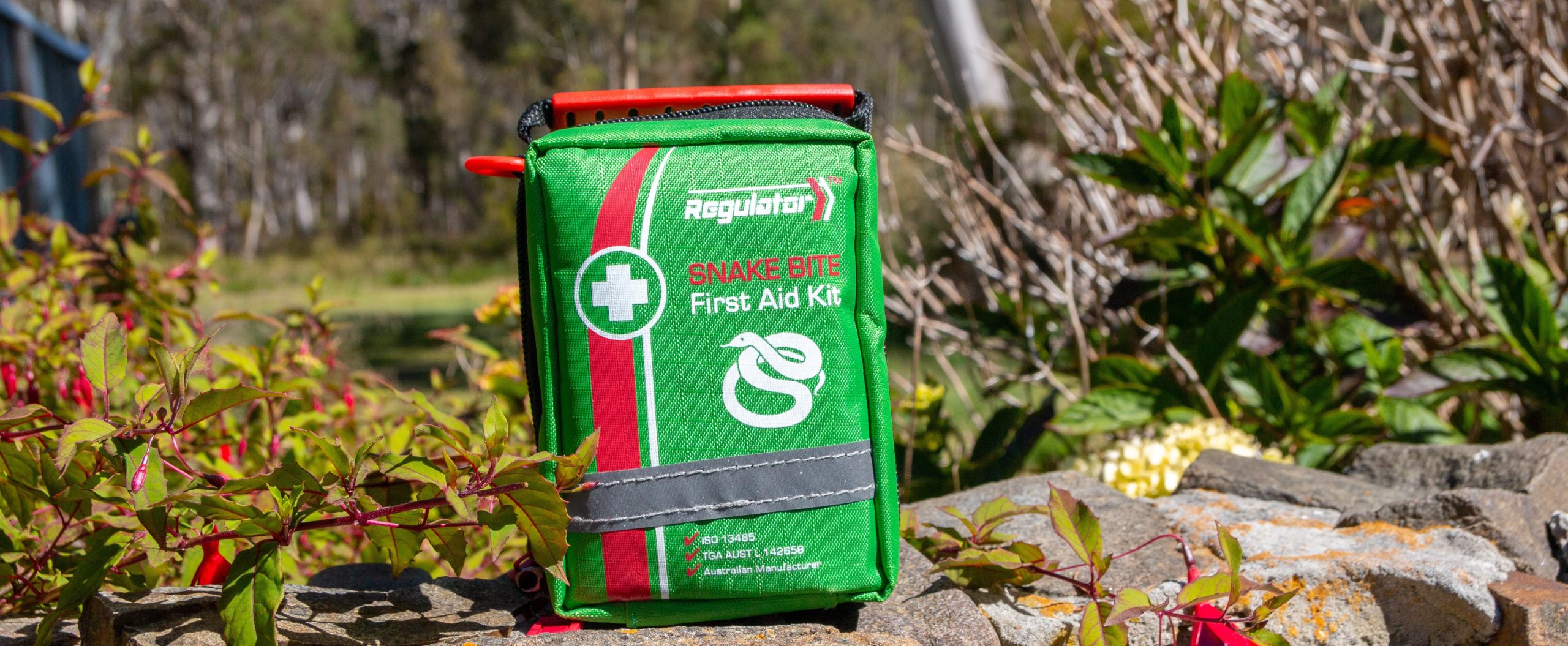
Australia is home to some of the world’s most venomous snakes but bites are rare. In the event of a snake bite staying calm is key. If someone is bitten, keep them as still as possible and apply a pressure immobilisation bandage – ideally a wide elasticised bandage, if you have one. Don’t try to suck out the venom or wash the wound. Call 000 immediately and wait for medical help.

Sunstroke and heat exhaustion

With Australia’s hot climate, especially in summer and rural areas, heat-related illness is something to be mindful of. If someone shows signs like dizziness, nausea or confusion, move them to a cool spot, give them sips of water and cool their body with damp cloth. If symptoms are severe call 000. Prevention is best — stay hydrated, wear a hat and take breaks in the shade.

Spider bites

Most spider bites in Australia are harmless, but a few species like the redback and funnel-web can cause more serious reactions. For redback bites, wash the area and apply a cold pack to relieve pain. For funnel-web bites, treat it like a snake bite with a pressure bandage and call 000 immediately. If you’re unsure what spider caused the bite, always opt for caution and get medical help.

Stings in the water

From bluebottles to jellyfish, stings are a common part of beach life in Australia. If stung by a bluebottle, rinse the area in warm water or apply a heat pack to ease the pain. For more serious jellyfish stings, call for help and follow local beach safety advice — surf lifesavers are the best people to guide you. Vinegar is often recommended for certain stings, but only used if advised by professionals on site.

CPR at the beach

Knowing how to perform CPR can be life-saving — not just at the beach, but anywhere. If someone is unresponsive and not breathing, call 000 straight away, then start CPR by pushing firmly in the centre of their chest at a steady rhythm (about 100–120 compressions per minute). If you’ve been trained in rescue breaths, combine them with compressions. Otherwise, keep going with chest compressions until help arrives.

Car accidents

Even if you’re not driving, it’s possible to come across a car accident in rural Australia. If you do, the most important thing is to stay calm. Call 000 immediately, check the scene is safe, and don’t move injured people unless they are in immediate danger (like from fire). Providing reassurance and waiting with them until emergency services arrive can make a huge difference.

Be prepared, stay safe

Knowing a little first aid can go a long way in Australia – whether you’re out on the farm, heading to the beach or just travelling between towns. Most of the time you won’t need it, but having the knowledge means you’ll feel more confident in your day-to-day life.

And remember – Agri Labour Australia is always here to support you during your stay. If you have any concerns about your health, safety or wellbeing, our team is just a phone call away.

Energy boosting and healthy on-the-job snack ideas

Working in Australian agriculture often means long hours outdoors, sometimes in hot and physically demanding conditions. To keep your energy levels up, it’s important to fuel your body with the right foods and stay properly hydrated throughout the day. Choosing healthy snacks and drinking plenty of water can make a huge difference to how you feel at work – helping you stay strong, alert and ready for the next task.

Fresh fruit and vegetables

Fruit is a simple, portable snack that delivers natural sugars for quick energy along with vitamins and fibre. Apples, bananas and mandarins are great options because they don’t bruise easily and can handle being carried in your bag or lunchbox.

Homemade protein balls

Packed with oats, nuts and seeds, protein balls are bite-sized energy boosters that help you stay fuller for longer. They’re easy to make in bulk, don’t require refrigeration and give you a good balance of protein and healthy fats.

Homemade muesli bars

Making your own muesli bars means you can control the ingredients and avoid excess sugar. Using oats, dried fruit and nuts, these bars provide long-lasting fuel and are easy to carry in your pocket for a quick break between jobs.

Trail mix

A handful of trail mix – usually a blend of nuts, seeds and dried fruit – is the perfect snack for when you need a quick energy lift. The nuts provide protein and good fats, while dried fruit offers natural sweetness.

Hard-boiled eggs

Eggs are packed with protein and essential vitamins, making them a powerful snack option. Hard-boiled eggs can be prepared in advance and carried with you, but it’s best to keep them in a cooler bag if you’re working in the sun to avoid spoilage.

Cheese and crackers

Pairing wholegrain crackers with a slice of cheese gives you a mix of carbohydrates, protein and calcium. Pre-pack them before you leave home for a satisfying and energising snack.

Staying hydrated on the job

Hydration is just as important as eating well, especially when working outdoors in the Australian sun. Always keep a large reusable water bottle with you and take small, frequent sips throughout the day. If you’re sweating a lot, consider adding an electrolyte drink to help replace lost salts and keep your energy levels up. Avoid too many sugary or caffeinated drinks, as they can make you feel more dehydrated in the long run.

Staying snack smart in the sun

When choosing your snacks, remember that Australian farm work often means being out in the heat. Stick to foods that won’t spoil quickly and if you can bring an insulated lunch bag or esky with a cold pack to keep everything fresh.

Staying fuelled throughout the day is key to staying safe and productive in physically demanding ag roles. A little planning goes a long way – pack smart, eat well, stay hydrated and you’ll feel the difference.

What to pack in your luggage for working in rural Australia

Heading off to work in rural Australia is an exciting adventure – but knowing what to pack can feel a bit overwhelming. Whether you’re staying for a season or a longer-term placement, bringing the right items can help you to feel comfortable in your new environment. Here’s a handy guide to help you prepare for life and work in rural Australia.

Important documents

Don’t forget to bring your passport and visa, a copy of your contract or placement agreement, your driver’s licence (if applicable – some overseas licences are valid for driving in Australia), health insurance documents, emergency contact details and any important paperwork related to your placement.

Clothing for every season and situation

Australia’s climate varies depending on where you’re placed and rural areas can certainly bring unique weather patterns. Your worksite will provide PPE safety work gear – you will be expected to wear this during your shifts to adhere to health and safety regulations. In terms of what clothing you should pack yourself, here’s what we recommend:

  • Hot weather: Lightweight, breathable clothes like cotton shirts, shorts and a wide-brim hat for sun protection. Sunglasses and sunscreen are a must.
  • Cold weather: Even warm regions can get chilly at night or in winter. Pack a jumper or warm jacket, beanie, long pants and closed-in shoes.
  • Work gear: Durable clothes that you don’t mind getting dirty including long-sleeve shirts, long pants and steel-capped boots (these may be provided when you arrive at your work site, but it’s good to check first).
  • Rainwear: A waterproof jacket or poncho can be handy in wetter regions or storm season.

Power adaptors and devices

Australia uses type I power sockets with a standard voltage of 230V. If your devices have a different plug type you’ll need a power adaptor. A multi-adaptor or universal travel adaptor is a great option if you’re bringing multiple devices. Also be sure to pack your mobile phone and charger, a laptop or tablet for entertainment and communication, headphones or earbuds, and a power bank for charging on the go.

Personal comforts from home

Bringing a few familiar items can help you to feel more at home. Depending on your luggage allowance and customs rules, you might include:

  • A small photo or memento from home
  • Your favourite snacks (check the Australian Border Force guidelines for what food items are allowed)
  • Comfortable bedding or a pillow if space allows
  • Any cultural or religious items that are part of your daily life.

Health and hygiene essentials

Many personal items can be bought in Australia, but you may want to pack enough to get started:

  • Toiletries (toothbrush, toothpaste, soap, deodorant, shampoo, etc.)
  • Sunscreen and insect repellent
  • Medications – including any prescription medications. Ensure you bring a copy of your prescription so that more medications can be purchased locally if needed.

Entertainment and free time

Rural Australia is known for its beautiful landscapes and community spirit – but downtime can be quiet, especially in remote areas. Pack a few things to keep yourself entertained:

  • Books or Kindle
  • Laptop or iPad
  • Board games or cards to play with friends
  • Your favourite music, movies or shows downloaded to your device (Wi-Fi access can vary).

We’re here to help, every step of the way

You don’t need to bring everything – but packing thoughtfully will make settling into your new home much easier. If you forget anything, local shops will often have what you need – or your Agri Labour Australia contact can point you in the right direction. Most importantly, come with an open mind, a positive attitude and a willingness to learn – you’re about to start an incredible journey in one of the most beautiful countries on Earth.

If you ever have questions or need help at any stage of your journey, Agri Labour Australia is here to support you. From your arrival to settling in and beyond, our team is only a phone call or message away.

Dealing with homesickness while working in Australia

Working in Australian agriculture is an exciting opportunity to experience the beauty of the outback, meet new people and gain hands-on experience in one of the country’s most vital industries. But even with all the adventure and new surroundings, it’s completely normal to feel homesick – especially when you’re living far from family, friends and familiar comforts.

The good news? There are some simple, effective ways to manage homesickness and make your time in Australia more enjoyable.

Stay connected with loved ones

In today’s digital world, keeping in touch with family and friends has never been easier. Whether it’s a quick message or a long video chat, regular communication helps you stay grounded and supported.

Video calls

Apps like WhatsApp, Zoom, Skype and FaceTime make it easy to check in with the people who matter most. A quick call can make a big difference – and showing them your new surroundings might help them feel closer too.

Social media

Platforms like Instagram and Facebook are a great way to share what you’re doing in Australia while staying updated on what’s happening back home.

Letters and postcards

Don’t underestimate the power of snail mail! Sending a handwritten note or a postcard from your travels can be a meaningful way to stay connected – especially with family members who aren’t as tech-savvy.

Shared countdowns

Looking forward to the next time you’ll see your loved ones? Try setting up a shared countdown. It’s a simple way to stay positive and get excited about the reunion ahead.

Create a home away from home

It’s often the little things that bring comfort. Decorate your room with familiar items – maybe a photo from home, a favourite blanket or an item that reminds you of your culture. You could also:

  • Cook meals that remind you of home
  • Listen to your favourite music from your country
  • Follow local sports or news updates from back home.

Bringing elements of your culture into your everyday life in Australia can make your new surroundings feel more familiar and comforting.

Make time to rest and reconnect

It can be easy to get caught up in long workdays and the excitement of exploring a new country, but don’t forget to take some quiet time for yourself. Rest, reflect and reach out when you need to. Scheduling downtime can help you feel more balanced and gives you space to connect with those back home.

Also keep in mind that some regional areas in Australia have limited internet connectivity. If you’re in a remote location, you might consider:

  • Purchasing a local SIM card with international calling options
  • Checking in at local cafes or libraries for free WiFi
  • Downloading messaging apps like WhatsApp, which work well on lower bandwidth.

With Agri Labour Australia, you’re never alone

Homesickness is a natural part of the experience when living and working far from home, but you don’t have to go through it alone. If you ever feel overwhelmed or need support settling in, the Agri Labour Australia team is here to help. Whether it’s a chat, practical advice or connection to local resources, we’re always just a call or message away. No matter where you’re from or what your journey looks like, we’re here to make sure your experience in Australian agriculture is safe, supported and memorable for all the right reasons.

How to start driving in Australia

If you’re living and working in Australia, you might want to buy a car to help you get around. Whether you’re heading to work, exploring your new surroundings or running errands, having your own car can give you flexibility and independence. Here’s a simple guide to help you get started.

Set your budget

Think about how much money you can afford to spend. Keep in mind that buying a car isn’t just about the price of the car. You might also need to pay for:

  • Stamp duty (a government tax)
  • Transfer of ownership
  • Insurance
  • Registration.

These costs vary depending on where you live and the car you buy.

Choose where to buy

You can buy a car from a car dealership or from a private owner. Private sellers often advertise on websites like carsales.com.au. You can also check local social media pages but be careful of scams – never send money without seeing the car first.

Understand what you’re buying

Find out if the car is manual or automatic and check how many kilometres it has travelled. Lower kilometres recorded usually means the car has been used less, which suggests you’ll get more life out of your new vehicle.

Inspect the car and take a test drive

Look for scratches, dents or signs of damage. Ask the seller if the car has ever been in an accident or had any major repairs. Before you buy, make sure you take the car for a short drive. This is a good way to make sure everything feels right and the car is working well. You’ll also need to ensure that the car has a recent roadworthy certificate. This confirms the car is safe to drive and is required when you transfer ownership.

Make it official

If you’re happy with the car, you can go ahead and pay – usually by bank transfer. Avoid using cash or paying before you’ve seen the car in person to avoid any issues with the transfer of ownership. In a private car sale in Australia, the seller and buyer must complete a transfer of registration form (usually available from the state or territory transport authority), which the buyer then submits – often along with proof of identity and payment of a transfer fee – to officially register the car in their name.

Get ready for the road ahead

Buying a car is a big step – and it opens the door to all kinds of adventures. Whether you’re using it to get to work, explore the countryside on weekends or visit new places across Australia, having your own vehicle gives you more freedom and flexibility. Stay safe, follow the road rules and enjoy the journey ahead. There’s so much to see and do – and now you’ve got the wheels to do it!

How to do your Australian tax return

When you’re working in Australia, you may need to complete a tax return. This is part of your responsibilities while living and working here, and it’s important to understand what it is and how to do it correctly.

What is a tax return?

A tax return is a way of telling the Australian Taxation Office (ATO) how much money you earned during the financial year, which runs from 1 July to 30 June each year.

The ATO will have taken tax out of your pay through the year. When you complete your tax return, you may get some of that back – or you may find you owe some extra tax to the government. It depends on how much you earned and how much tax was taken from your pay.

Who needs to do a tax return?

Not everyone needs to do a tax return. Here’s how to know if you do:

  • YES – You need to lodge a tax return if you are working in Australia on a long-term visa (usually more than 6 months).
  • NO – You don’t need to lodge a tax return if you are here on a short-stream visa (usually less than 6 months).

If you’re not sure what type of visa you are on, please contact the Agri Labour Australia team and we can help.

How to lodge your tax return

There are two ways you can lodge your tax return:

  1. Do it yourself on the ATO website using myTax
    You’ll need to set up a myGov account and link it to the ATO.
  2. Use a registered tax agent
    Tax agents are people who you can pay to do your tax return for you. It can make the process easier – especially if English is not your first language.

If you’re not confident using the online system or understanding tax rules, a registered tax agent can help make sure everything is correct.

When do I need to do it?

You must lodge your tax return by 31 October each year, unless you’re using a registered tax agent who may be able to lodge later. It’s a good idea to start early, so you have plenty of time to ask questions or get help if you need it.

Helpful resources

Need help?

Agri Labour Australia is here to support you. If you’re not sure how to do your tax return, which documents you need or who to contact, just reach out to our team. We’re happy to help you understand the process and make sure everything is done correctly.

How to find a doctor in Australia

Moving to a new country can be exciting but it also comes with challenges to navigate. For instance, seeking healthcare in Australia may involve a different process to what you’re used to in your hometown. Whether you need a check-up, medical advice or treatment, it’s important to know how to find a doctor while living and working in Australia.

What is a GP?

In Australia, general practitioners (GPs) are doctors who treat common health issues. They are usually your first point of contact for any medical concern. If you need specialist care, a GP can refer you to the right place.

Finding a GP near you

To find a doctor in your area, you can:

  • Use the healthdirect.gov.au website. This government website allows you to search for local doctors and medical clinics
  • Ask your Agri Labour Australia consultant for help. They can point you in the right direction, especially if you’re working in a rural or remote area
  • Search online using Google Maps or type in “doctor near me” to see nearby options
  • Talk to other candidates or locals for recommendations.

What to bring to your appointment

When visiting a GP, you may need to bring:

  • Photo ID (such as your passport or Australian driver’s licence)
  • Your Medicare card (for eligible residents or those with a reciprocal agreement)
  • Your Overseas Visitor Health Cover (OVHC) or other health insurance details, if you’re in Australia on a visa.

How much does it cost to see a doctor in Australia?

Some doctors “bulk bill”, which means the cost is fully covered by Medicare (Australia’s public healthcare system). Others may charge a fee. If you’re not covered by Medicare, check with the clinic in advance to understand how much the visit will cost.

If you have private health insurance or OVHC, you may be able to claim some or all of the fee back.

After-hours or urgent help

If you need medical help after hours or on the weekend, you can call:

  • Healthdirect on 1800 022 222 for 24/7 medical advice
  • Visit a local hospital emergency department for serious issues
  • Dial 000 in an emergency.

Staying healthy

Taking care of your health while working in agriculture is important. Australia’s weather and working conditions can be tough, so remember to:

Your Agri Labour Australia team is here to support you, so if you’re unsure where to go or need assistance booking an appointment, don’t hesitate to reach out. Looking after your health means you’ll enjoy your experience in Australia even more.

Agri Labour Australia and Rural Aid – announcing a brand-new partnership

With this year marking 15 years of Agri Labour Australia providing workforce solutions to Australian agribusinesses, we’re delighted to announce a new and ongoing partnership with Rural Aid.

As the country’s leading advocate for rural communities, Rural Aid is Australia’s leading rural charity, dedicated to providing practical support and vital services to farmers and rural communities. Since its establishment in 2015, the charity has been a lifeline during times of disaster, delivering essential services such as mental health support, hay, domestic water and community engagement. Rural Aid’s commitment to Australia’s incredible ag industry aligns with our own, and we’re excited to formalise our partnership after many years of supporting the charity with our yearly regional fundraising event, the Goondiwindi Long Lunch.

Alongside an annual financial contribution, Agri Labour Australia has committed to partnering with Rural Aid in a diverse range of ways to offer comprehensive and practical support. Utilising our extensive network to increase Rural Aid farmer registrations, we’ll also provide Agri Labour Australia staff to provide hands-on support on the ground in selected Farm Recovery Efforts,  as needed. We’ll create new fundraising events and continue to organise and host the Goondiwindi Long Lunch, and our very own PALM scheme ambassador, Lote Tuquiri, will appear at Rural Aid events over the course of the coming year.

Michelle Sleeth, Regional Manager at Agri Labour Australia and long-time organiser of our Rural Aid Long Lunch, is delighted by the opportunity to further work alongside Rural Aid.

“Our Long Lunch is a really valued way for our team to give back to the ag community, and this new partnership is a wonderful way for us to mark 15 years in business,” says Michelle. “It’s a great opportunity to extend the support we give to farming communities”.

“The incredible Australian ag community is at the heart of everything we do here at Agri Labour Australia,” says COO Michael Rogers, “and the Rural Aid partnership offers many more ways for us to provide practical and ongoing support to farmers and communities in need. As a team we’re delighted to partner with Rural Aid, and we’re excited to see what the future holds.”

How to find accommodation in Australia

If your job placement in Australia includes accommodation, that’s one less thing to worry about. But if it doesn’t, you’ll need to arrange your own housing – and that might be an unfamiliar process if you’re not from Australia. This guide will help you understand how to find a safe and comfortable place to live while you work.

Start with your #AgriFamily

Your first step should be to speak with your recruitment consultant at Agri Labour Australia. They may know of nearby options or have contacts who can assist. Sometimes other candidates are looking to share housing, or the local area may have short-term rentals suitable for seasonal work.

Search online

One of the easiest ways to start looking is online. The most popular websites in Australia for rentals include:

You can use filters to narrow your search by budget, location, number of rooms and type of housing. Make sure to check the location carefully – some properties may look close on the map but are far from work, especially if you don’t have a car.

Visit local real estate agents

If you’re already in town then it’s a great idea to visit a local real estate office. Agents often manage many properties and can let you know what’s available or coming soon. It’s helpful to walk in and introduce yourself, explain your situation and ask for advice.

Attend property viewings

To rent a property in Australia, you’ll usually need to attend a viewing or inspection. This is your chance to see the place in person and to ask questions about the lease and living arrangements. Some inspections are open (no appointment needed) while others must be booked in advance. If you’re unable to attend in person, check whether a virtual inspection is available.

What you’ll need to apply for accommodation in Australia

Once you’ve found a place, you’ll need to submit a rental application. This usually includes:

  • Photo ID (passport or driver’s licence)
  • Proof of income or employment (your Agri Labour placement details can help)
  • References (from previous landlords or employers)
  • A completed rental application form

Real estate agents or landlords will use this information to check that you’re reliable and able to pay rent. You may also be asked to pay a bond (also known as a security deposit), usually equal to 4 weeks’ rent.

Short-term options

If you’re only staying in a place for a few weeks or months, you might consider:

  • Hostels or backpacker accommodation
  • Short-term rentals on Airbnb or similar sites
  • Caravan parks or motels with longer stay rates

These can be good options while you look for something more permanent.

Need help finding accommodation in Australia?

Agri Labour Australia is here to support you. If you’re having trouble finding accommodation or don’t know where to start, speak to your consultant. We’re happy to answer questions and help connect you with trusted housing providers where possible.

Google tracking code