Harvest work is one of the most common ways people experience Australian agriculture. It can be physically demanding, rewarding, and no two days are exactly the same. A typical day working on harvests in Australia depends on the crop, the season, the location and the conditions on site.
If you’re considering working an Australian agricultural harve
st, and potentially joining a harvest trail across multiple locations, it helps to understand what a typical day looks like so you arrive on site informed, prepared and confident.
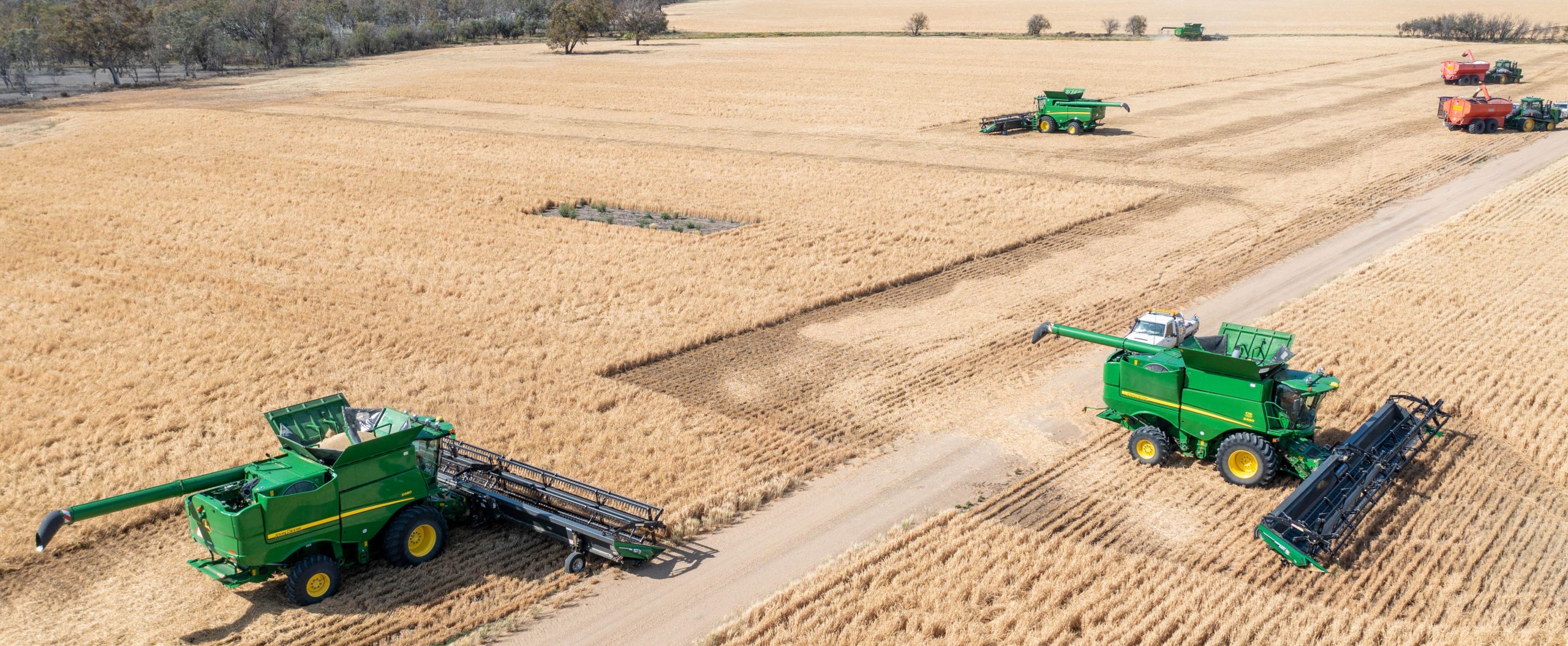
What to expect while working on broadacre harvests
Broadacre harvests often cover large-scale operations such as cereals, pulses and oilseeds. Days are shaped by scale, machinery movement and weather, with a strong focus on coordination and timing.
What candidates often experience on broadacre sites:
- Very early starts to make the most of cooler conditions and daylight
- Working across large paddocks and long distances on site
- Roles that support harvesting, logistics or receival processes
- A steady pace that can extend into long days during peak periods.
Broadacre roles suit candidates who are comfortable with routine, teamwork and working as part of a large, coordinated operation. Reliability and attention to safety are especially important when working around machinery and moving vehicles.
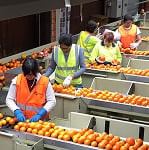
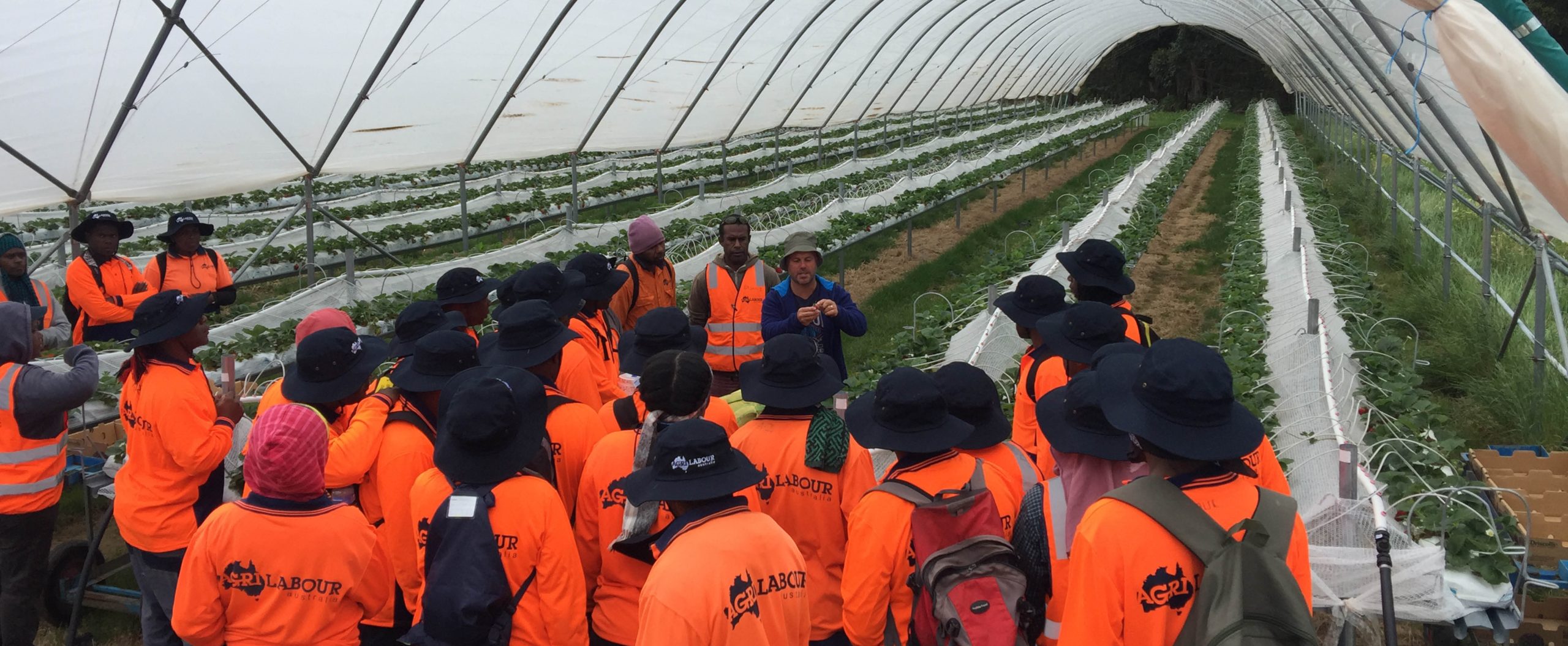
A day working as a team on horticulture harvests
Horticulture covers a wide range of crops including fruit, vegetables and nuts. Days tend to be structured but can change depending on weather and produce quality.
What candidates often notice on the job in horticulture:
- Work is usually hands-on and repetitive
- Attention to the quality of produce is important
- Tasks may involve picking, packing or sorting
- Pace can be steady or fast depending on demand.
Horticulture harvests in Australia often run in shorter seasonal windows, but can offer consistency while the crop is active .For candidates, this means work is usually available most days during the harvest period, with regular start times and predictable routines. While the season itself may only last a few weeks or months, workers who show reliability and attention to monitoring the quality of produce are often offered ongoing shifts for the duration of the harvest, and in some cases the opportunity to move between sites as seasons change.
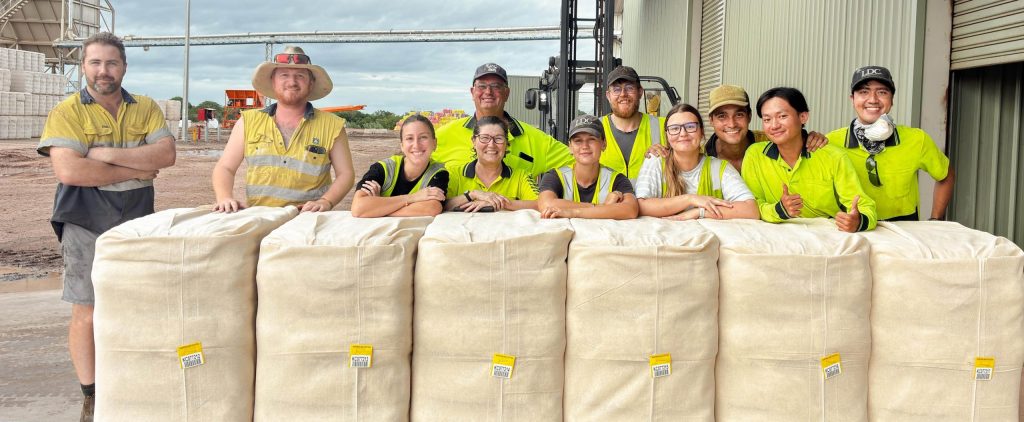
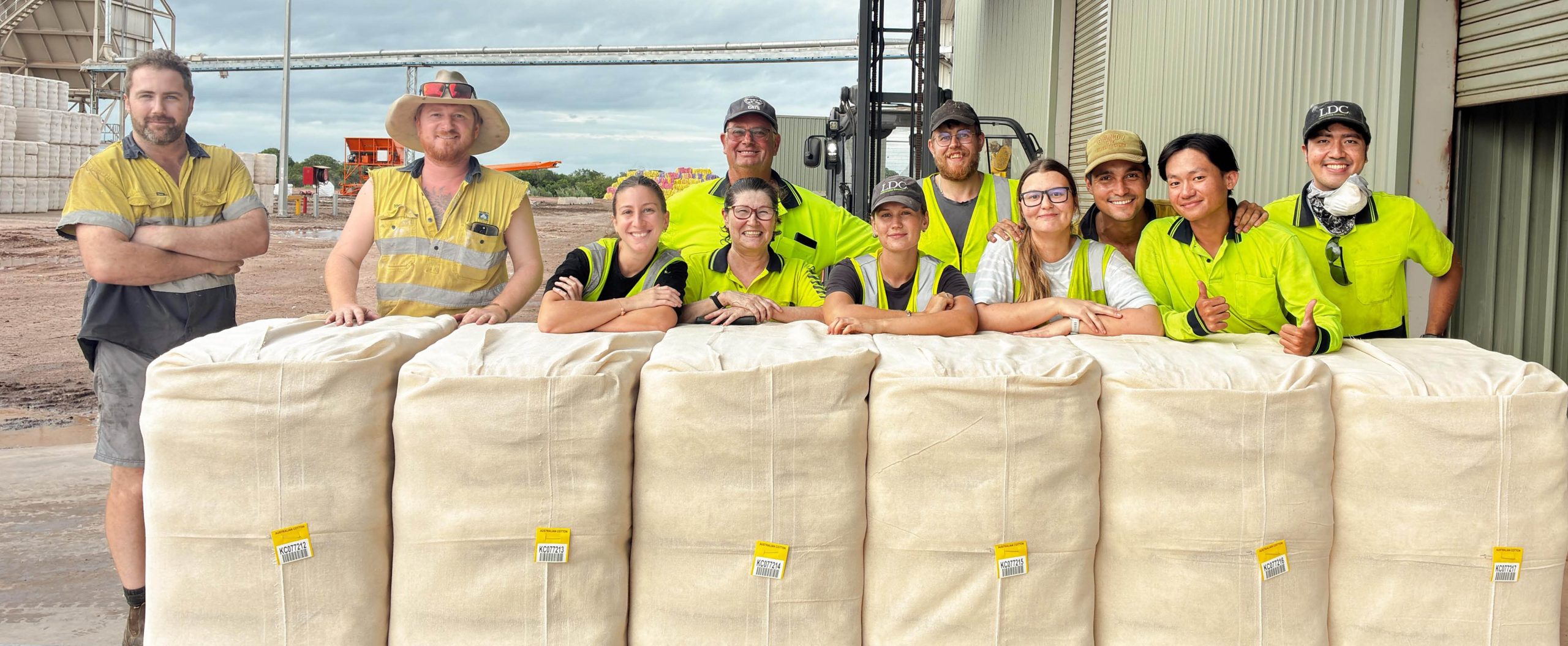
What a cotton harvest day looks like for Agri Labour Australia candidates
Cotton harvests are highly structured, fast-paced and safety-focused. Many roles support machinery operations rather than direct picking. Working on a cotton harvest will often mean early mornings or late finishes, with operations running both day and night.
A typical day working on a cotton harvest may involve:
- Very early starts
- Clear task allocation
- Working outdoors, with dust-filled periods likely
- Strong focus on safety and communication.
Cotton harvests often suit candidates who like routine, clear processes and team-based environments.
The rhythm of harvest days
Breaks, meals and finishing times can look different when you’re in a team working on a harvest.. Candidates will often bring their own meals to site, prepared ahead of time or shared with others in accommodation. Many candidates find that having simple routines around food and rest helps them manage long days more comfortably.
New candidates often find that adjusting to finish times that often aren’t fixed can be a challenge. Weather can shorten or extend the day, equipment issues can change plans, and crop readiness often determines how long work continues.
While crops and schedules vary depending on what harvest you’re working on, some things stay consistent across most roles. Safety always comes first. Teamwork matters. Communication is encouraged, and reliability and attitude are valued. Harvest work is rarely about doing one task once. It’s about showing up consistently, following site processes and supporting the team around you.
Adapting your skills across multiple harvests
Many candidates move between harvests throughout the year, with each type of crop providing differing work experiences for candidates to adjust to. During the transition period, it’s important to:
- Ask questions early
- Pay attention during inductions
- Be open to learning new routines.
Experience builds over time, and many candidates find each harvest easier as they understand how different sites operate. With each new crop, candidates develop practical skills, improved quality awareness and better teamwork on site. Over time, this skill acquisition can lead to greater confidence, more consistent work and access to a wider range of roles across future harvests in Australia.
A realistic picture of harvest life
Harvest work can be demanding, but it also offers rewarding teamwork and the chance to experience different parts of Australia’s agricultural industry. If you’re prepared, open to learning and ready to be part of a team, working on harvests in Australia can be a valuable and rewarding experience.
Working long days in unfamiliar environments can be challenging, particularly when candidates are adjusting to new routines, physical demands or living away from home. At Agri Labour Australia, candidates are guided through their placements and encouraged to raise questions about site expectations, safety or wellbeing, whether that means managing fatigue, understanding rosters or knowing where to turn for support when needed. This ongoing communication helps candidates feel supported, confident and able to focus on doing their best work on site – whatever harvest that may be!