


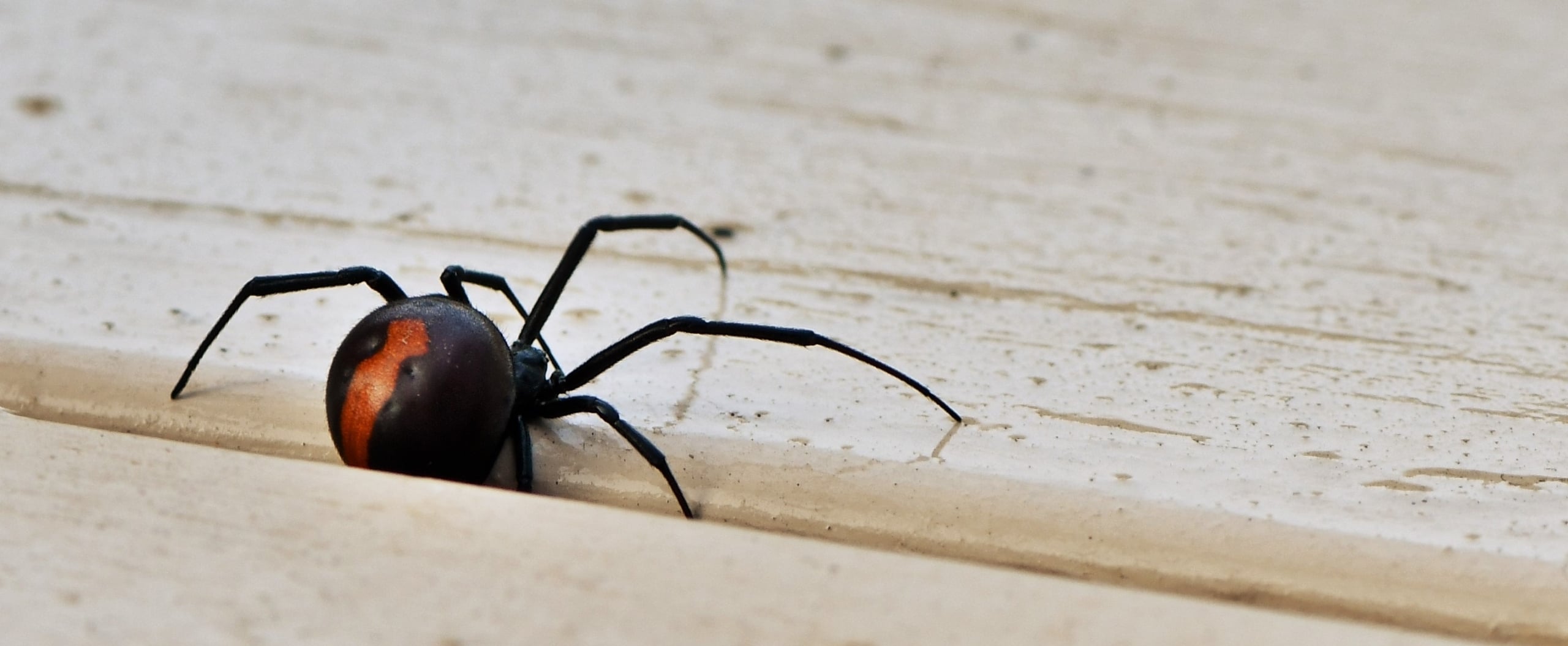
One of the unique parts of living and working here is the Australian wildlife. From kangaroos and birds to reptiles and marine life, regional areas are home to many native animals.
Most wildlife will avoid people if given space. However, it is important to know how to respond calmly and safely if you do encounter animals while working, travelling or exploring in your free time. Understanding a few simple safety steps can help you stay confident and enjoy your experience in regional Australia.
Stay calm and keep your distance from Australian wildlife
If you see wildlife nearby, the most important thing is to stay calm and keep your distance. Most animals are not aggressive and will move away if they feel safe.
Avoid approaching, touching or feeding wild animals. Even animals that look friendly can react unpredictably if they feel threatened.
In most situations, the best response is to slowly step back and allow the animal space to move away on its own.
Stay aware in outdoor areas
When working on farms or walking through bushland, it is a good habit to stay aware of your surroundings. Animals such as snakes and lizards may rest in warm areas like long grass, near rocks or under equipment. Being mindful of where you walk can reduce the chance of surprising them. Some helpful habits include wearing closed footwear and using a torch when walking at night.
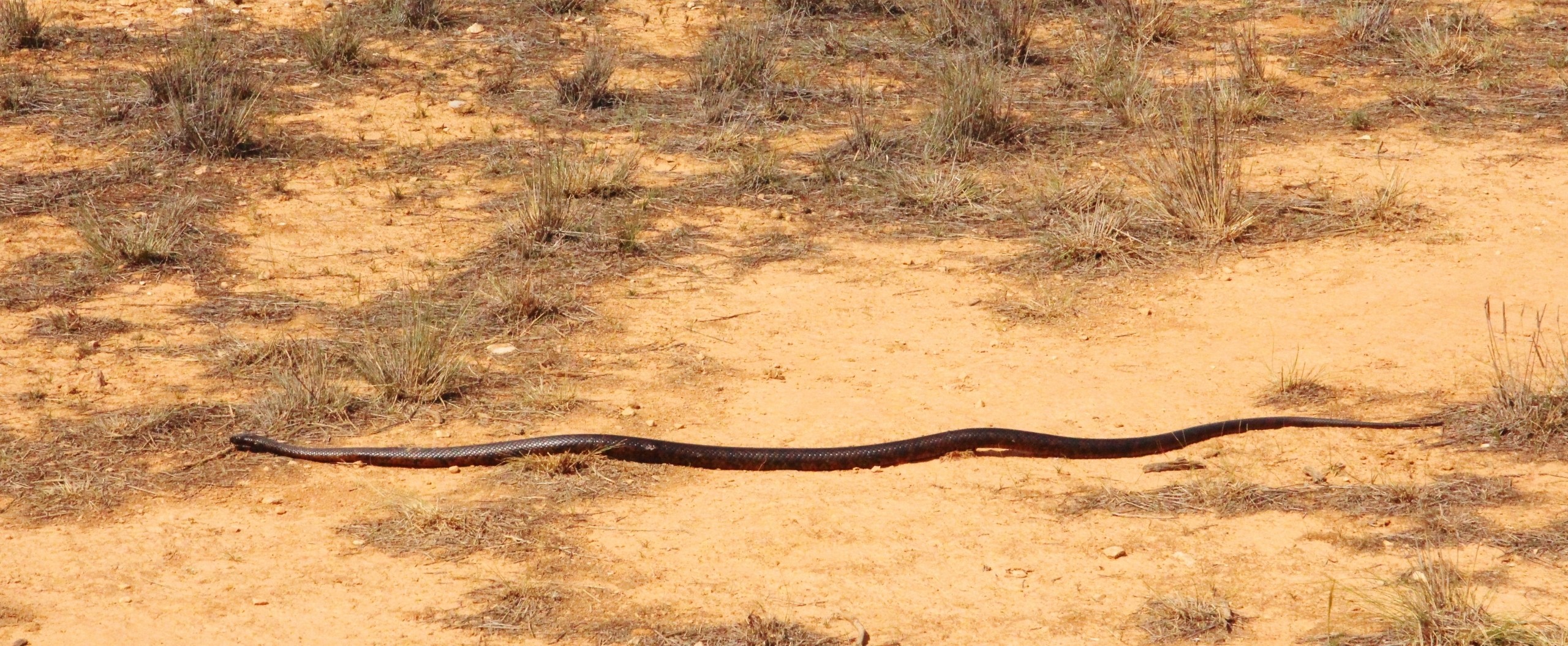
What to do if you see a snake
Australia is home to many snake species, but bites are rare and snakes usually avoid people. If you do see a snake:
- Stop and stay still
- Slowly move away from the snake
- Give it plenty of space to leave the area
- Never try to catch, touch or harm a snake.
If you are working on a site and notice a snake nearby, let a supervisor or site manager know so the area can be checked safely.
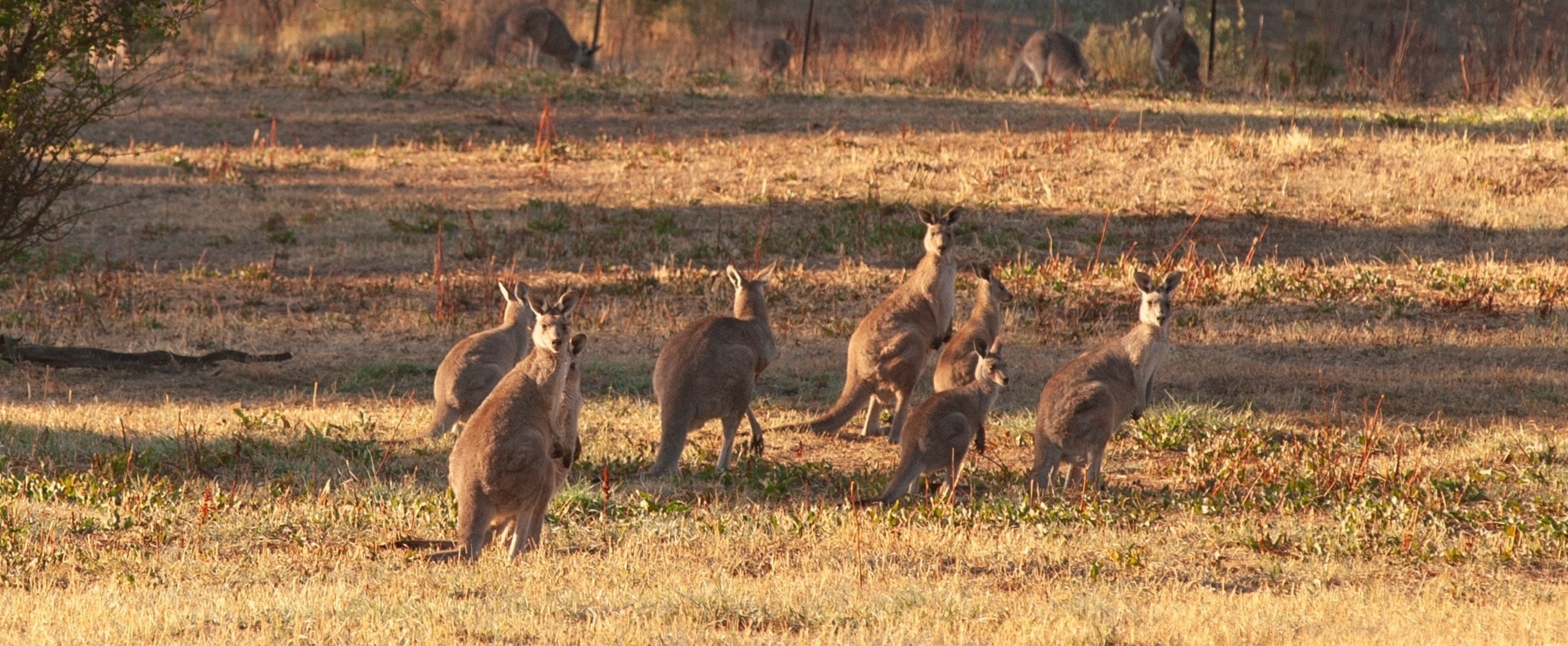
Be careful around kangaroos and large animals
Kangaroos and wallabies are common in many regional areas, especially around dawn and dusk. While they usually keep their distance, it is best not to approach them. If a kangaroo is on a path or near a road, give it time and space to move away.
When driving in rural areas, slow down and stay alert, particularly in the early morning or evening when wildlife is more active.

Check shoes, clothing and bedding
Spiders and insects sometimes seek shelter in dark or quiet places. A simple habit like checking shoes before putting them on can help avoid surprises. You may also want to shake out clothing, towels or bedding if they have been left outside or on the ground. These quick checks are common practice in many parts of rural Australia and only take a moment.
Know who to contact in an emergency
Serious wildlife incidents are rare, but it is helpful to know what to do if someone is injured. In Australia, the emergency number is 000 for ambulance, police or fire services.
If someone is bitten or stung and feels unwell, call for help immediately and follow first aid guidance. Your workplace should also have first aid kits and trained personnel on site.
Enjoy Australian wildlife with caution and care
Seeing animals in their natural environment can be a memorable part of your time here. By staying aware of your surroundings and following simple safety practices, you can enjoy working and travelling in regional Australia while staying safe.
If you ever feel unsure about wildlife in your area, speak with your site supervisor or the Agri Labour Australia team. We are always here to help you feel confident and supported.