
Prioritising the mental health and well-being of our candidates

At Agri Labour Australia, we believe that the mental health and well-being of our candidates is of utmost importance.

As we approach R U OK? Day, 14 September 2023, it’s an opportune time to shine a light on mental health awareness and the significance of checking in on one another. In this blog, we’ll delve into the importance of R U OK?Day, provide practical tips for supporting your own mental health, and encourage open conversations within our farming community.

Understanding R U OK? Day

R U OK? Day is a national day of action held annually in Australia, dedicated to inspiring meaningful conversations and connections to promote mental health and well-being. This important initiative encourages individuals to check in on their friends, family, and colleagues, asking the simple yet powerful question, “Are you okay?”. The goal is to create a culture of support, compassion, and understanding, and to remind everyone that a genuine conversation can make a difference in someone’s life.

Prioritising Your Mental Health

Taking care of your mental health is vital, especially when navigating the challenges and demands of agricultural work. Here are some practical tips to help you prioritise your well-being:

  1. Seek Support: Remember that it’s okay to ask for help. Reach out to trusted friends, family members, or colleagues when you’re feeling overwhelmed or struggling with your mental health. You don’t have to face challenges alone.
  2. Practice Self-Care: Make time for activities that bring you joy and help you relax. Engage in hobbies, exercise regularly, practice mindfulness or meditation, and ensure you’re getting enough sleep and maintaining a balanced diet.
  3. Connect with Nature: Take advantage of the beautiful surroundings of regional Australia. Spend time outdoors, explore nature trails, or simply sit in a park and soak in the tranquility. Connecting with nature has been shown to have positive effects on mental well-being.
  4. Maintain Social Connections: Foster supportive relationships within the farming community. Engage in conversations, share experiences, and support one another. Participate in team activities or community events that encourage social connections.
  5. Monitor Your Stress Levels: Be aware of signs of excessive stress, such as changes in appetite, sleep patterns, or mood. If you notice any concerning symptoms, reach out for professional support from mental health services or your healthcare provider.

Having Meaningful Conversations

On R U OK? Day and beyond, let’s strive to have open and honest conversations that promote mental health and well-being. Here are some tips for having meaningful discussions:

  1. Be Present: When engaging in a conversation, be fully present and attentive. Show genuine interest and empathy towards the other person.
  2. Listen without Judgment: Create a safe and non-judgmental space for the person to share their thoughts and feelings. Listen actively and validate their experiences without offering immediate solutions.
  3. Ask Directly: Use the R U OK? question as a starting point for the conversation. Ask if they’re okay and be prepared to listen to their response. Encourage them to share what they’re comfortable with and let them know you’re there to support them.
  4. Validate and Empathise: Validate their feelings and let them know that their experiences matter. Empathise with their emotions and let them know they’re not alone.
  5. Encourage Professional Help: If someone is struggling and requires professional support, encourage them to seek help from a mental health professional or provide them with relevant resources and helpline numbers.

Remember, every conversation counts, and by asking R U OK?, you may make a significant difference in someone’s life. Let’s foster a supportive environment within the Agri Labour Australia family and prioritise mental health and well-being for all.


If you or someone you know is in immediate danger or experiencing a mental health crisis, please seek emergency assistance or contact the relevant helpline in your area.

The power of sleep: enhancing well-being and performance with sleep

At Agri Labour Australia, we’re dedicated to ensuring the well-being of our workers across regional Australia. For “Step Up Safety” this month, we’re focusing on the crucial role sleep plays in our lives and how it impacts workplace safety and productivity.

Sleep is a vital aspect of overall health, but it’s often overlooked in the pursuit of balancing work and personal life. Studies have shown that adequate rest is essential for maintaining focus, enhancing cognitive abilities, and supporting emotional well-being. Sleep-deprivation can lead to decreased productivity, increased risk of accidents, and have a negative impact on mood, which can affect both individual performance and team dynamics.

To prioritise good sleep hygiene, consider the following tips:

  1. Maintain a consistent schedule: going to bed and waking up at the same time each day helps regulate your body’s internal clock, promoting better sleep quality.
  2. Optimise your rest environment: create a comfortable, dark, and quiet space for bedtime. This may involve investing in blackout curtains, a comfortable mattress, and using white noise apps like Noisli, White Noise Lite, or myNoise to block out disturbances. You can also check out these soothing Spotify playlists: White Noise for Sleep, Sleepy White Noise, and Deep Sleep White Noise.
  3. Avoid stimulants before bedtime: limit your intake of caffeine, nicotine, and alcohol, especially in the hours leading up to bedtime, as these can interfere with your ability to achieve restorative rest.
  4. Establish a relaxing bedtime routine: engage in calming activities, such as reading, taking a warm bath, practising sleep time meditation, or trying breathing exercises. Some helpful apps for meditation and relaxation include Headspace, Calm, and Insight Timer. additionally, you can explore these Spotify playlists: Sleepy Time Meditations, Guided Sleep Meditations, and Nighttime Breathing Exercises to help signal to your body that it’s time for bed.

If you’re feeling exhausted, don’t hesitate to discuss your concerns with your manager.

Open communication can lead to solutions such as adjusting work schedules, providing additional breaks, or offering support and resources to improve rest quality.

Prioritising good sleep hygiene is essential for workplace productivity, safety, and overall well-being. By maintaining a consistent bedtime schedule, optimising your sleep environment, and avoiding stimulants before bedtime, you can enjoy better rest and its numerous benefits. Don’t forget that Agri Labour Australia and your managers are available to support you, so feel free to reach out if you need assistance in achieving a better bedtine routine.

Get moving for a healthier brain: simple tips to incorporate exercise into your day

Agri Labour Australia is committed to creating a safe and healthy workplace for all of its workers, no matter where they’re placed in regional Australia. Our next “Step Up Safety” topic focuses on the link between exercise and brain function. This blog will explore the benefits of exercise for the brain and provide tips on how you can incorporate physical activity into your daily routine.

Many people are aware of the physical benefits of exercise, such as improving cardiovascular health and reducing the risk of chronic diseases. However, being active has also been shown to have a positive impact on brain function.

According to research, regular physical activity can enhance cognitive performance, improve memory, and reduce the risk of cognitive decline. Exercise has also been linked to reducing symptoms of depression and anxiety, which can also have a significant impact on overall well-being.

One way to incorporate physical activity into your daily routine is to take short breaks throughout the day to walk or stretch. This can help to boost your energy levels and improve your concentration. You could also consider joining or initiating a company sports team or exercise group. This can help to keep you motivated and provide a sense of connection to the community and your colleagues.

By talking with your GP and understanding what steps you should take to increase your physical activity, you can reap the benefits of exercise for your brain and overall health. So, take a walk, climb some stairs, or stretch during your next break, and see how exercise can make a positive difference in your day to day.

Navigating the farm lingo in Australia

Welcome to the vibrant world of Australian agriculture, where the sun shines, the land is fertile, and the language spoken can sometimes leave you feeling a bit perplexed! As you embark on your journey as a farm worker in Australia, we understand that the unique slang, jargon, and acronyms used in the industry can be overwhelming. Fear not! We’ll guide you through the essential agricultural phrases and terminology commonly heard on various harvest sites. Keep in mind that different states in Australia have their own farm lingo and slang too, adding even more colourful diversity to the mix.

Cotton Harvest:

  1. Boll: The rounded capsule that encases the fluffy cotton fibers within.
  2. Picker: The mechanised harvesting machine that separates the cotton fibers from the bolls.
  3. Module: A rectangular bale of cotton, tightly packed and ready for transportation.
  4. Gin: The processing facility where cotton is cleaned and the fibers are separated from the seeds.
  5. Bale Press: The machine that compresses the cotton fibers into dense rectangular bales.

Grain Harvest:

  1. Header/Combine Harvester: The machine that skillfully cuts and threshes the grain crops, extracting the edible seeds from the rest of the plant.
  2. Silo: The towering storage facility used for preserving and storing grains, such as wheat, barley, and oats.
  3. Chaff: The dry, husky remnants left behind after the threshing process.
  4. Auger: A conveyor that moves the harvested grains into storage or transportation containers.
  5. Grain Elevator: A tower that has a bucket or conveyor to scoop up grain from a lower level and deposits it in a silo or other storage facility.

Almond Harvest:

  1. Shaker: A machine that clamps onto the trunk of an almond tree and shakes the almonds off the branches dropping them to the ground
  2. Sweeper: The sweeper goes into the almond field and sweeps up the nuts that are on the ground under the trees and moves them into a line in the middle of each row
  3. Harvester: A harvesting machine picks up all the almonds in each row and blows out all the debris and keeps the clean nuts
  4. Huller: The specialised equipment that expertly removes the outer hull and debris l from the almonds.
  5. Shelling: The almond kernel is extracted from the shell.

Rice Harvest:

  1. Paddy: The flooded field in which rice is grown
  2. Thresher: A machine that separates the rice grains from the stalks, without damaging the grains.
  3. Milling: The intricate process of removing the outer layers, including the husk and bran, from the rice grain to produce polished edible white rice.
  4. Huller: The equipment used to remove the inedible outer hull or shell from rice grains, resulting in brown or whole-grain rice.
  5. Parboiling: The steaming and partial boiling process that enhances the nutritional value, flavour and texture of certain rice varieties.

Citrus Harvest:

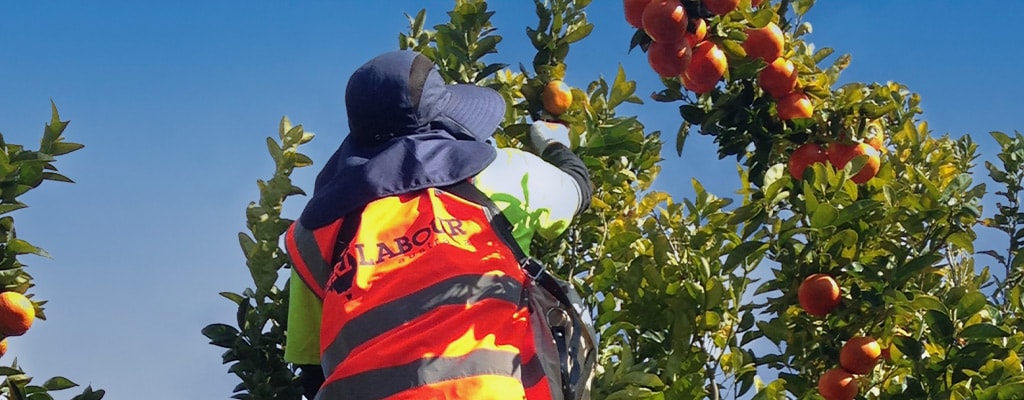
  1. Orchard: The meticulously managed grove where citrus trees, such as oranges, lemons, and grapefruits, flourish.
  2. Picker/Picking: The skilled task of selectively harvesting ripe fruits from the trees to ensure optimal flavour and quality.
  3. Sorting: Categorising citrus fruits based on their size, colour, quality, and ripeness.
  4. Packing Shed: The facility where harvested citrus fruits are carefully sorted, cleaned, and packed for distribution.
  5. Citrus Nursery: The specialised area dedicated to growing and nurturing young citrus trees.

As you immerse yourself in the Australian agricultural landscape, remember that learning the language of the farm is an exciting part of the experience. If you ever find yourself puzzled by a term or expression, don’t hesitate to ask your fellow workers or supervisors for clarification.

There’s also a host of great apps that help with understanding English and Aussie Ag terminology. A good example is Duolingo, a popular language-learning app that offers interactive lessons to help improve English proficiency.

By understanding the ABCs of Australian agriculture, you’ll feel more confident and connected to the vibrant farming culture that spans across this beautiful country.

Happy harvesting, and enjoy your time Down Under!

Show Us Your Aussie Agventure and Win $500!

Hey there #MyAgriFamily! It’s your time to shine and WIN $500 with our Australian Ag Adventure video competition!

Have you been part of the Agri Labour Australia #myagrifamily during 2022-2023? If so, we want to see your memories!

Capture the Magic in a Short Video
To enter, it’s as easy as creating a short video or reel (less than 120 seconds, 90s is ideal!) that showcases your unforgettable experiences with Agri Labour Australia and the amazing agventure you had in Australia.

Unforgettable Moments, Incredible Prizes
From breathtaking sunrises and mesmerising sunsets to encountering unique wildlife, witnessing crop harvests, and forming lifelong friendships, we want to see it all!

How to Enter
Grab your camera, dive into your Google Drive, and get in touch with that friend who always captured the best footage. Submit your Aussie agriculture adventure for a chance to walk away with a cool $500 in Aussie dollars!

To enter, simply upload your video to Instagram and tag us at @agrilabourau (you can also add #myagrifamily too!). Alternatively, you can submit your video directly here

Competition Terms and Conditions

  • Entries close on 8th September, and the winner will be announced on 13th September.
  • To be eligible for the prize, you must be in Australia to receive it.
  • You must have worked with Agri Labour Australia between 1st January 2022 and 31st August 2023.
  • Safety first! Please refrain from any dangerous filming or activities. Any submissions containing unsafe activities will be disqualified.
  • Ensure compliance with any site-based mobile phone or footage-based rules.Ensure you have the proper permission and do not film at times or in places where you do not have clearance. 

By sharing your video with us, you’ll be giving Agri Labour Australia authority to share it on our Instagram page and our website when we announce the competition winner. So if you don’t want anyone to see it, this competition isn’t for you. 

Don’t miss this exciting opportunity to share your #myagrifamily moments and have a chance to win big. We can’t wait to see your incredible videos showcasing your Australian agventure!

A step-by-step guide to setting up a bank account in Australia

Welcome to Australia, the land of opportunity and adventure! As you embark on your journey with Agri Labour Australia, it’s important to ensure that you are set up to manage your finances, starting with a bank account.

Opening a bank account in Australia is a straightforward process, but it helps to be prepared and aware of the necessary steps and requirements. Below, we’ve provided a comprehensive guide to setting up a bank account, including the documents you’ll need, potential challenges you may face, and helpful solutions to make the process smooth and hassle-free.

Types of Bank Accounts

Before diving into the process, it’s essential to understand the different types of bank accounts available in Australia. The most common options include transaction accounts, savings accounts, and term deposits. Each account serves a specific purpose, so it’s important to choose the one that best suits your needs and financial goals.

Choosing a Bank

Australia has several reputable banks, and the choice of which one to opt for largely depends on personal preference and convenience. Some popular banks include Commonwealth Bank of Australia, Westpac, ANZ, and National Australia Bank, just to name a few. You may also find a location specific Credit Union which could be a good consideration from the major 4 “big” banks. Consider factors such as branch accessibility, online banking services, fees, and customer reviews when selecting a bank that aligns with your requirements.

Required Documentation

To open a bank account in Australia, you’ll need to provide certain documents for identification and verification purposes. These typically include:

  • Passport: A valid passport is essential to establish your identity as a non-resident.
  • Visa: Depending on your visa type, you may need to provide additional documents such as a valid work visa or working holiday visa.
  • Proof of Address: Banks may require proof of your residential address in Australia, such as a rental agreement or utility bill in your name.
  • Tax File Number (TFN): While not mandatory, providing your TFN can help ensure that you’re taxed correctly on your income.

Potential Challenges and Solutions

While opening a bank account is generally a straightforward process, there are a few challenges you might encounter along the way. Here are some common issues and their respective solutions:

  • Lack of Australian Address: If you don’t have a permanent address in Australia, you can use the address of your employer or a trusted friend or family member. Many banks also offer options for temporary or mailing addresses.
  • Limited Identification Documents: If you’re unable to provide certain identification documents, such as a passport, reach out to the bank and explain your situation. They may have alternative solutions or acceptable substitutes for identification purposes.
  • Language Barriers: If English is not your first language and you encounter difficulties during the application process, consider seeking assistance from a bilingual friend, coworker, or interpreter. Alternatively, some banks offer multilingual customer service support to help guide you through the process. You may be able to access these via their phone services.

Additional Banking Services

Aside from basic transactional banking, Australian banks offer a range of additional services to enhance your financial management experience. These may include internet banking, mobile banking apps, debit cards, and the ability to transfer money internationally.

Budgeting and Saving Tips

As a candidate working in regional Australia, it’s essential to manage your finances wisely and make the most of your income. Here are a few budgeting and saving tips to help you along the way:

  • Create a budget: Track your income and expenses to gain a clear understanding of your financial situation. This will help you allocate funds appropriately and save for future goals.
  • Minimise unnecessary expenses: Identify areas where you can cut back on expenses, such as eating out or non-essential subscriptions. Small adjustments can add up to significant savings.

Setting up a bank account in Australia is a crucial step in establishing your financial stability during your time with Agri Labour Australia.

By following the steps outlined in this guide, you can help set yourself up for financial security.

Cooking competition brings a taste of the country to town

Last month, the spirit of AgriGundy lived on with our Agri Labour Australia and Agri Talent Cooking Competition!

You may recall back in March some of the team headed out for our ‘Gundy’ day, where we visited farm sites and learnt ‘on the job skills’. While there, we had the pleasure of Geraldine Smith’s home cooking and after many recipe requests, a new idea was born… one where we brought some of the classic country cooking we experienced to the big smoke! (We really just wanted an excuse to eat some of the fantastic treats Geraldine served us again!).

However, this time around, we took a leaf out of the CWA’s book and became Hosts with the Most – cooking some of Geraldine’s most loved dishes plus a few of our own favourites. These were all brought together for Geraldine to judge on the day.

1 large image combining 8 smaller squares. Within each square there is close up image of an entry into the Agri Cooking Competition. From left to right, the food pictured are: Fresh Plain Scones, Crispy Pork Belly, Estonian Biscuit Cake, Beef Hot Pot. On the second row, from left to right: Tasty Fried Fiji-Indo bites, Peanut Butter Slice, South Indian Medu Vada and Crunchy Anzac biscuits.
A selection of the delicious treats entered into our first Agri Cooking Competition, on 14th June

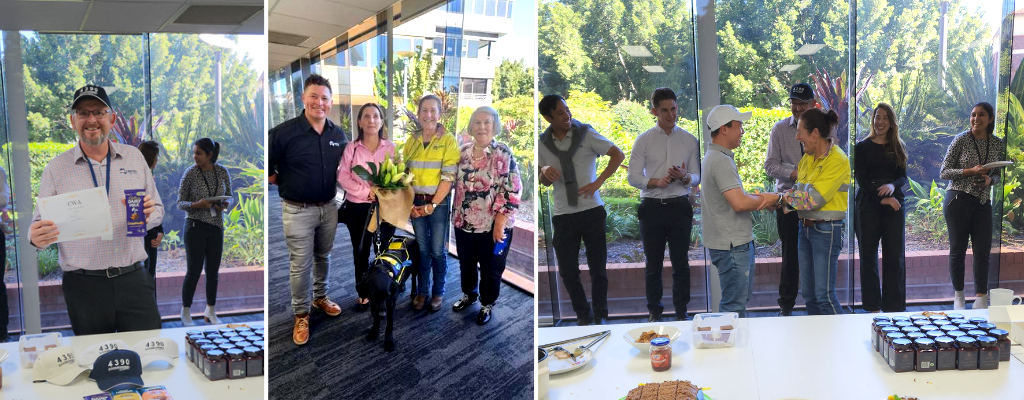
Congratulations to our winners, Ashley Greener and Stanley Lam – Now we’ve unearthed these hidden talents, we’ll be sure to get them on display more often! We also had the privilege to hear from Dr Theresa Ruig, Associate Director – Workforce, Diversity & Inclusion Specialist with Ignis Consulting.

In addition to her dynamic and incredible career, Theresa is one of Geraldine’s daughters, her sister being Michelle, an Agri Labour Australia Account Managers. Theresa went blind at the age of 10, and uses her personal and professional experiences across a range of industry sectors to bring awareness of the valuable capabilities and skills that are sometimes hidden behind a person’s cover.

Pictured from left to right is a middle age man, with a moustache, holding up a Winners certificate and block of chocolate. He is wearing a hat and smiling broadly. The next photo shows a group of 4 smiling adults. These people are Luke, Dr Theresa, Michelle and Geraldine. Michelle is holding a bunch of flowers. Theresa’s companion dog Django sits in front of them, He is a black, adult Labrador. The next photo to the left, shows Michelle in her high visibility work shirt shaking Stanley's hand for his Crispy Pork Belly competition entry.
Our 2 Winners proudly accepting their awards and praise, and a group photo of our judging panel, Luke, Dr Theresa, Michelle and Geraldine, with Django, Theresa’s sight companion and adorable black Labrador.

We greatly appreciated Dr Theresa giving up some of her day to join us for morning tea. It was humbling to hear her story, along with incredibly insightful suggestions for workplaces across Australia when it comes to achieving their Inclusivity and Diversity goals.

A sincere thank you to both Geraldine and Theresa for joining us at Agri Labour Australia HQ and graciously giving up their time and experience when it comes to their specialties and passions.

Also a special shout out to the most well mannered companion, Django who could peer onto the table laden with goodies yet restrained himself the whole time.

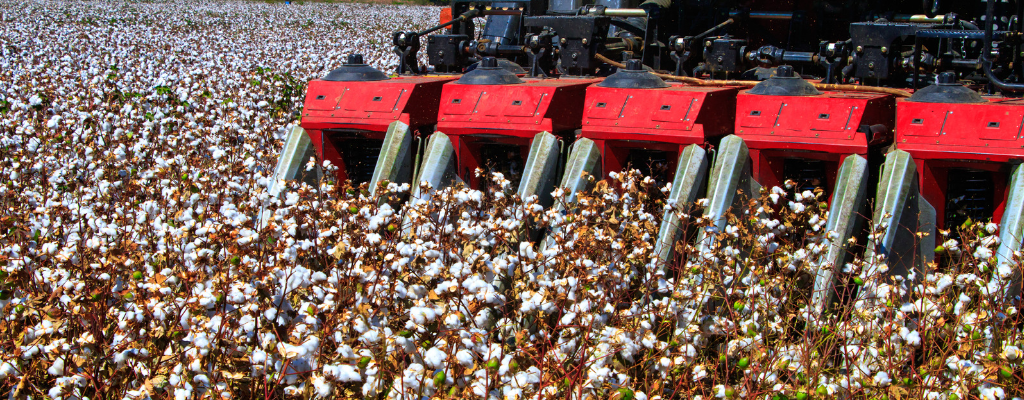
Staying safe during the cotton harvest season

The cotton harvest is an exciting activity in the Australian agriculture calendar – highly popular with visa-holders, travellers, and local residents alike. If you’re working in the cotton harvest this year, it’s important that safety comes first.

Agri Labour Australia is committed to ensuring the safety of all our staff, and our staff working the cotton harvest are required to participate in inductions, training, and pre-employment education so you’re equipped with the necessary safety knowledge and appropriate skills prior to starting work. Pre-employment drug and alcohol testing will also be carried out prior to harvest and randomly throughout the season.

In addition, there are some further important safety tips that you should keep in mind while working the cotton harvest.


    1. Safety protocols and guidelines for cotton harvesting machinery: If you’re in a position where you’re operating machinery, it’s important that you regularly update your knowledge of safety guidelines for cotton harvesting machinery, including operation, maintenance, and emergency procedures.


    1. Best practices for handling and processing cotton: Minimise potential hazards by following proper techniques for handling and processing cotton, such as wearing appropriate personal protective equipment (PPE) and adhering to safe lifting practices. Implement strict hygiene protocols to prevent the spread of any diseases or pests.


    1. Monitor weather conditions during the harvest season: Stay informed about local weather conditions to ensure personal safety and avoid accidents or delays due to extreme weather events. Develop contingency plans in case of unforeseen weather disruptions.


If you are working the cotton harvest with Agri Labour Australia this year, we hope you stay safe and enjoy the incredible experience.

Want to work in the Australian agriculture industry? Visit South Australia

Farm work can be an amazing opportunity to take on a new adventure, and if you’re considering travelling to Australia, it’s well worth adding South Australia to your Australian agriculture itinerary.  

With nearly 10,000 operational farms across the state, South Australia currently accounts for approximately 12% of Australia’s total gross agricultural production value, and offers plenty of working opportunities in the agriculture industry. 

Although South Australia has one of the two 25 shires in Australia, the state’s agriculture industry is strong, having generated revenue of $14.1 billion in 2021 – and this could be your year to become part of it all. 

Viticulture and beyond: key sources of rural jobs South Australia 

With a mild, temperate climate, South Australia is the ideal location for growing a wide variety of produce, creating a range of agricultural work opportunities, particularly in primary industries such as wheat, livestock and horticulture. 

The grain and citrus harvests are a top source of employment, creating thousands of jobs across the state. Jobs in the grain harvest include labouring, operating machinery and grain sampling, while the citrus harvest has roles available for sorting, packing and quality assurance team members as well as forklift operators. 

Wineries also create many rural jobs in South Australia, a state famous for its world-class wines. Many of the jobs in these industries rely on the use of agricultural and viticultural equipment by skilled machine operators. Viticultural equipment is particularly important for the rural jobs SA workers do to produce the state’s world-famous wine.

Harvest jobs South Australia: covering the supply chain  

Every harvest season creates a wide variety of job opportunities within different sections of the horticultural supply chain, from planting trees and picking fruit and vegetables in the great outdoors to packing and processing the fresh produce. 

Along the farm-to-table supply chain, harvest jobs SA cover a wide range of processes, beginning with ground preparation to ready the soil for the seeds and maximise the chances of successful growth. Seeds can then be sown, watered and eventually harvested, and at every stage, skilled machinery operators are in high demand. Once the produce has been harvested, packing sheds and processing plants offer ongoing work – an attractive opportunity for those who prefer to work out of the harsh sun. 

One of the best things about taking on harvest jobs in SA is having the opportunity to travel as you move from one harvest to the next and explore different parts of the state. On a long-haul trip, you can work your way around the whole country and experience all that Australian agriculture has to offer. 

Plan for success with agriculture jobs South Australia 

With agriculture jobs in SA available throughout the year, it’s important to consider the type of seasonal work you want to do when making travel plans. For example, if you plan to work on a particular harvest, you may need to travel at a certain time of year. 

With an average daily temperature high of just 22 degrees throughout the year, South Australia has a mild climate relative to the rest of Australia with warm, dry summers – ideal for travelling and working in a harvest. South Australian winters are mild by comparison, and may be the perfect time to make a move, as long as you pack and prepare for a cooler climate. 

South Australia produces a wide variety of fruits and vegetables during summers and winters alike, with the warm weather bringing stone fruit, avocados and berries, and the cooler temperatures producing navel oranges, mandarins, pears, quinces and tangelos. 

Are you interested in the Australian agriculture jobs SA has to offer? At Agri Labour Australia, we have a dedicated presence in Renmark, South Australia, to connect our candidates looking for farm work or related agribusiness employment opportunities in the region. 

Google tracking code